“To find out who you are is like putting yourself on a psychiatric couch, but you have nobody to help you. Really it isn’t easy. I was talking with my nephew this morning and he gave me one of the best quotes I’ve heard in years, ‘Personal style is curiosity about oneself.’” ― Iris Apfel
I experienced the most interesting realization one day while taking an afternoon stroll in my neighborhood antique shop: your personal aesthetic is not a prepackaged aesthetic—nor should it attempt to be. I realized that I needed a break from inorganic aesthetics—the notion that we should all be stylized into a neat package with a bow on top.

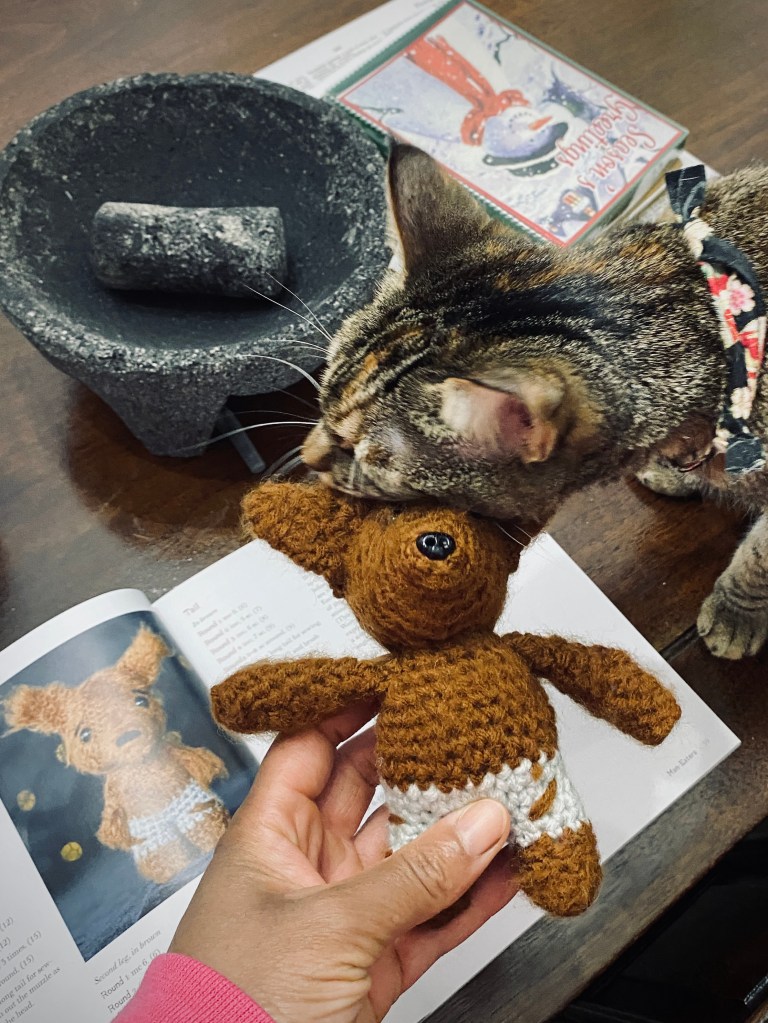

One might have noticed the endless list of “Core Aesthetics” that have invaded trend cycles and social media feeds. Core Aesthetics are defined as niche trends and styles that promote specific themes, visuals, and lifestyles. They are typically highly curated and highly romanticized. Cottagecore is probably one of the original and most well known examples with its relentless push for farm-house countryside dreams, but others include Barbiecore, Cybercore, Grandmacore, and Witchcore.

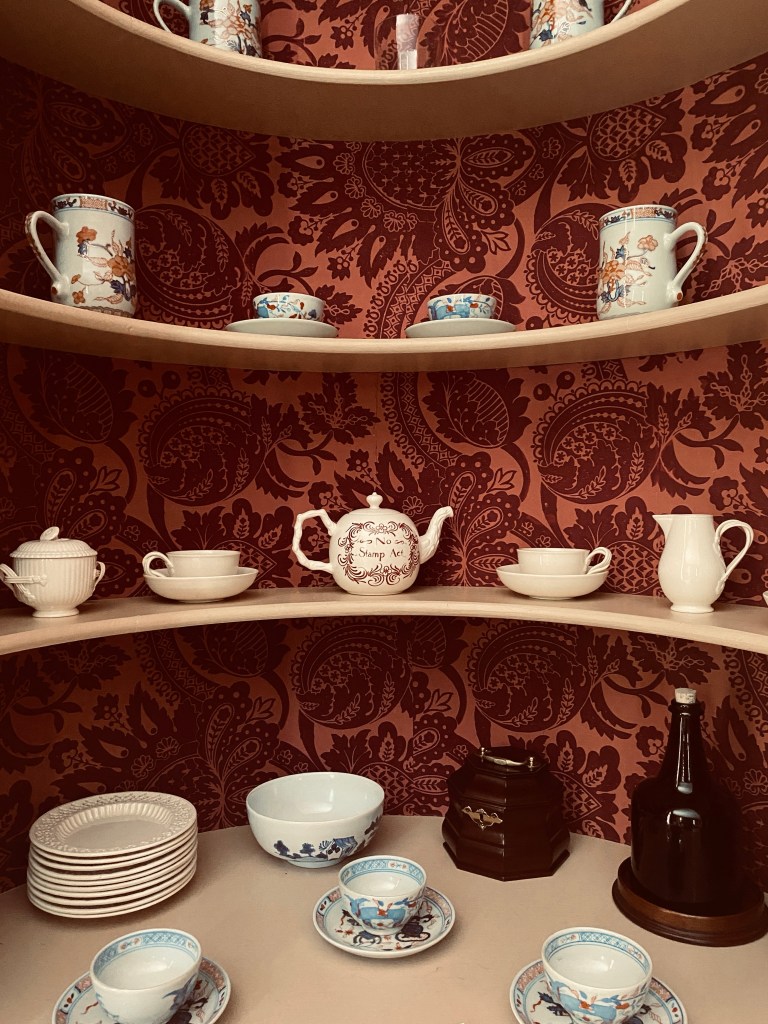

Because these aesthetic trends focus on the surface level appearance and beauty of what they embody, they often end up being oversimplified vibes of past subcultures, historical art and utilities, and dark socioeconomic realities. Think the wealthy aristocracy playing peasantry as Marie Antoinette supposedly did when she built Le Hameau de la Reine to escape the French Court. Or, as a less extreme example, someone who adopts a Goth countenance without understanding what being Goth originally meant.


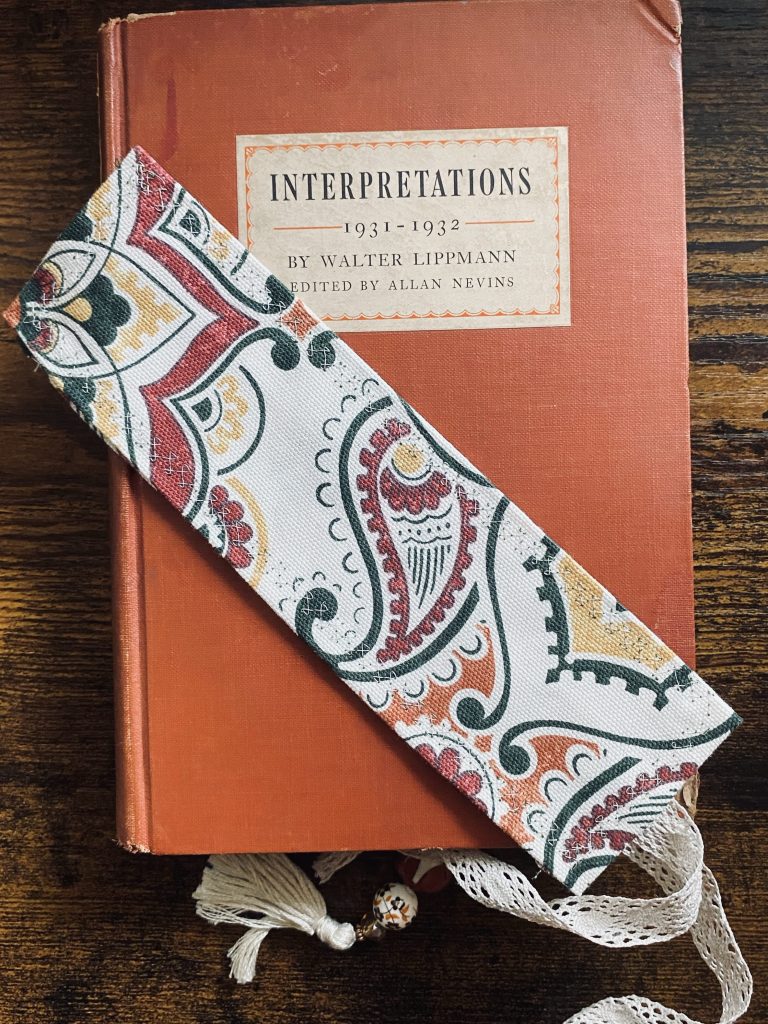
Corporations enjoy prepackaging a vibe for the masses to purchase, whom hope to obtain a fantasy version of themselves that appears as vibrant and rosy as a curated advertisement. I fell into this trap as well, at one point obsessed with the sensory and visual elements of everything I wore and created. This isn’t to say that strategic design is inherently bad, or that we shouldn’t attempt to create as beautifully as we can. However, it does mean that we should take a look at ourselves and consider our actual tastes rather than a “brand personality.”
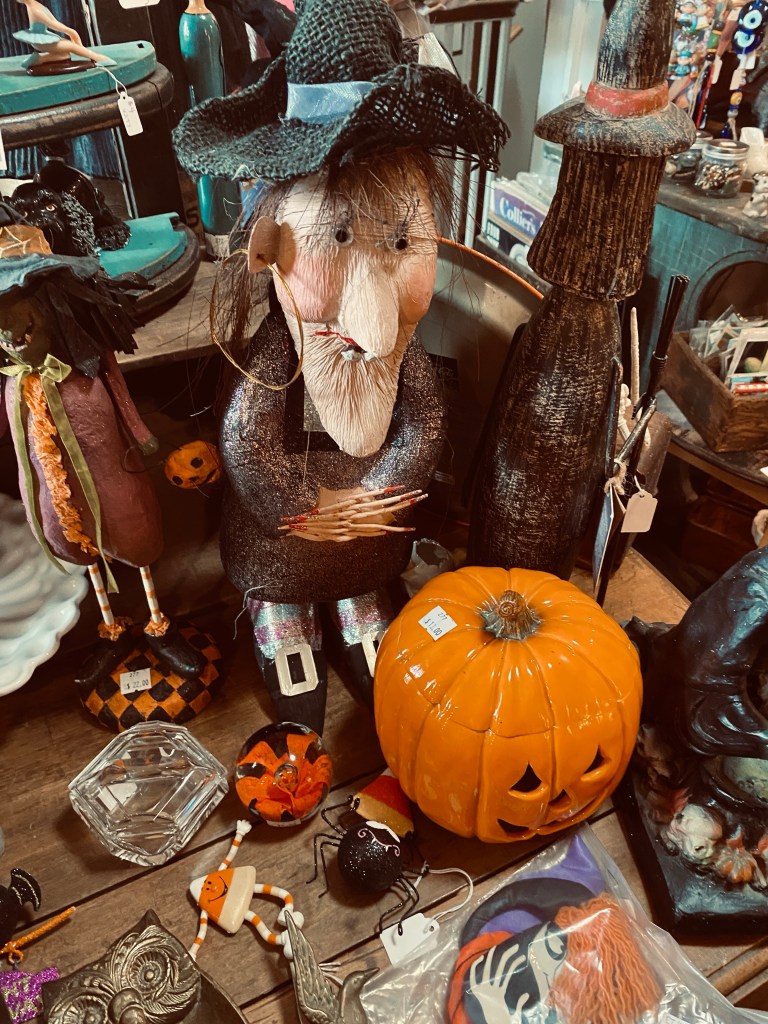
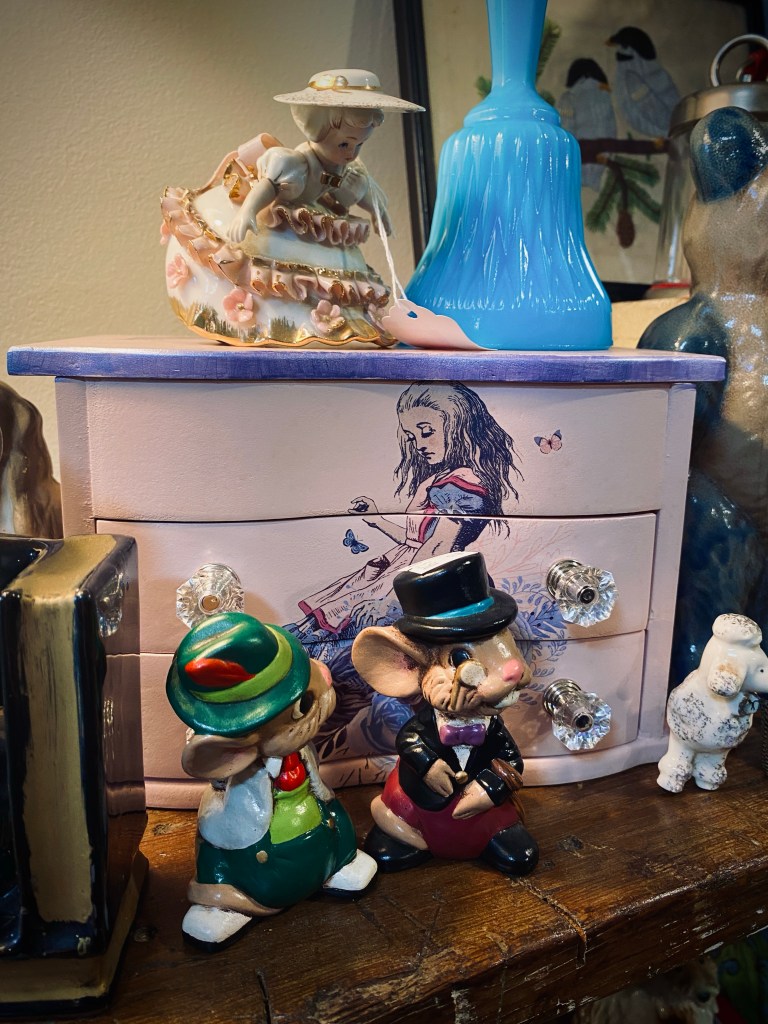
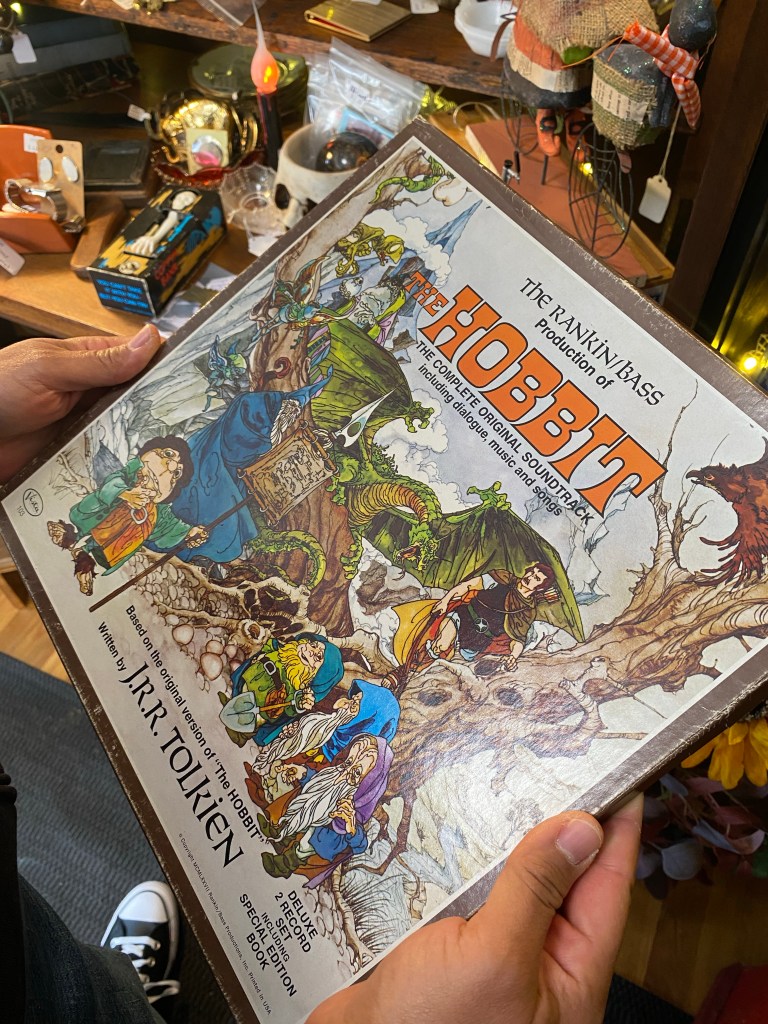
In my neighborhood, there’s a vintage and antique shop—the same one I discovered last year during a local autumn festival. The shop is an old 1910s house converted into an eclectic treasure trove of organized chaos. Very few items have been arranged to actually go together with records mixed with statues, teacups mixed with books, and toys mixed with buttons and vintage canisters.
Despite the random display, everything was clean, neat, and charming—as though visitors are meant to explore with the expectation of finding something unexpected.
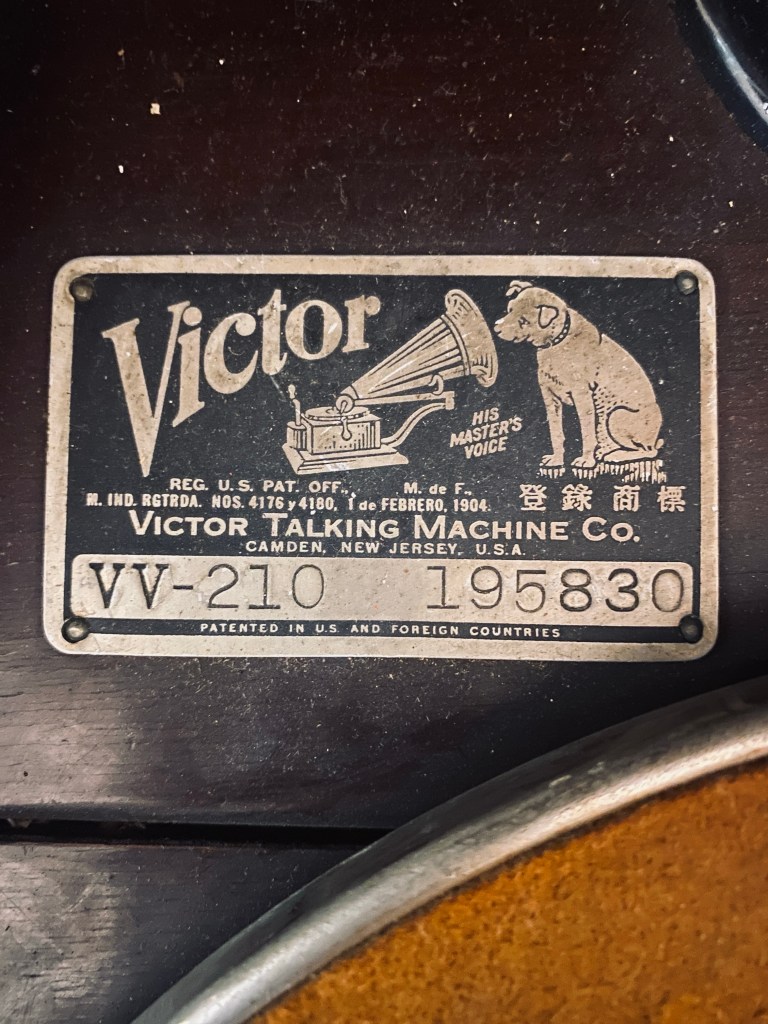

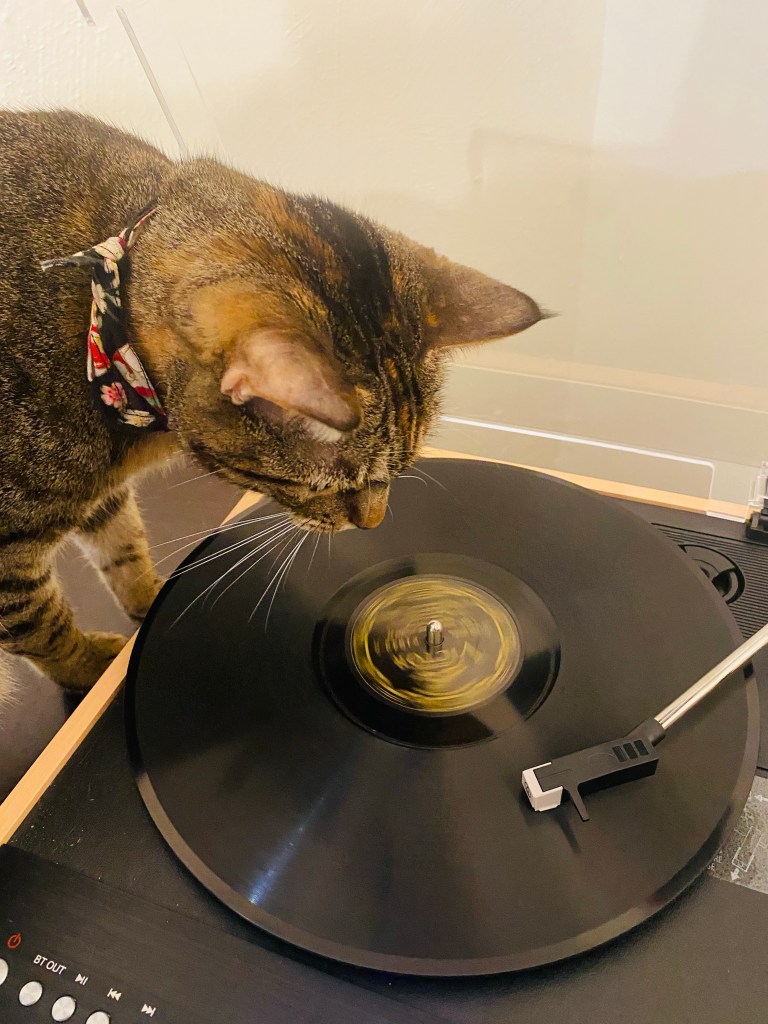
Sifting through 60 year old records, antique books, and post war china made me realize that I should pick something that speaks to me, and not to pick something because it fits a narrative advertised to me.
I am still a careful buyer; I do not go thrifting and antiquing often, saving the trips for when I am searching for something specific. If I find something else in the midst of my search, then I revel in the happy accident. Still, the amalgamated presentation of the antique shop forces me to scrutinize each item until I am 100 percent satisfied. The best feeling is taking on the challenge of loving an item for every design element, tarnish, and crack.
In the end, the decision for me to purchase the final item fully belongs to me. It is something I want, something I love, and something I can use. And, I was not influenced by corporate tactics.
I began applying this shopping strategy and experience to other areas of my life, and something incredible happened: I discovered “my aesthetic.”
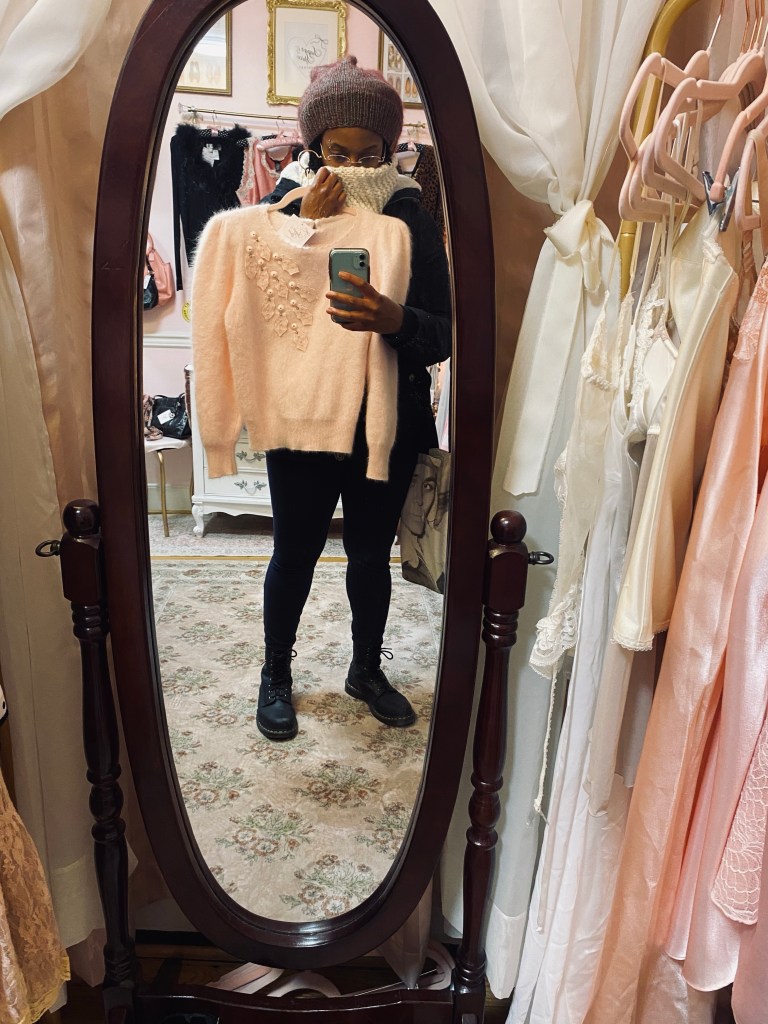
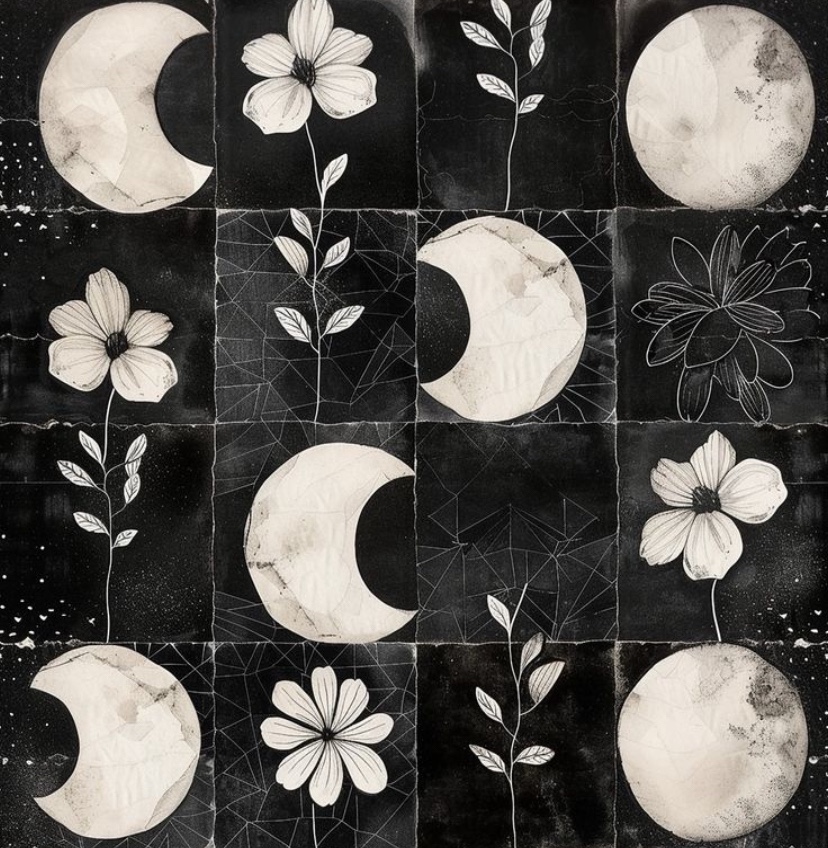
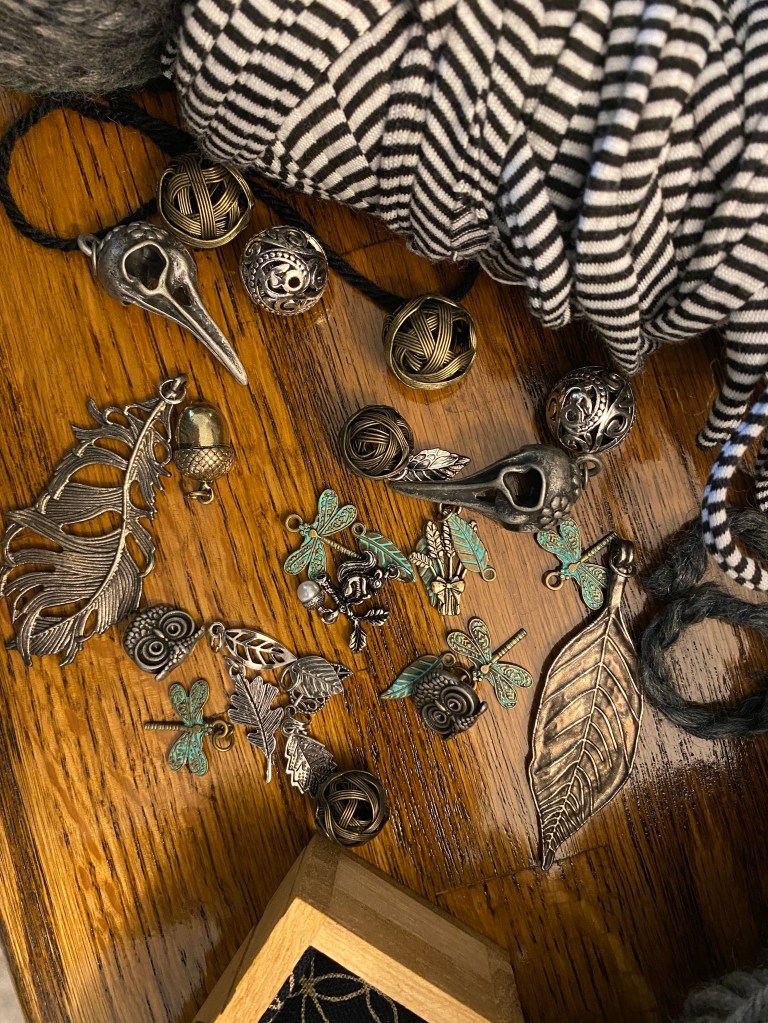
Aesthetics tend to keep us ingrained in the surface level idea or vibe of a subculture instead of its reality. Your personal “aesthetic” is the organic accumulation of art, music, dance, clothing, taste, political views, ethics, morals, ideas, knowledge, and values. It is not something that comes neatly boxed with aesthetically pleasing tissue paper and ribbon. The box is instead one of a kind, with new items welcomed inside from time to time, and other items tossed when we outgrow them.
While the internet cycles through hundreds of different “Cores” and “Aesthetics” with a high dose of vibes and advertising (and I’ve been there too), I began ditching labels of Cottagecore, Goblincoe, Dark Academia, Corporate Goth, Etcetera and decided that it was not only too difficult to fit into a box that occasionally crosses into other boxes, but also ridiculous to do so.
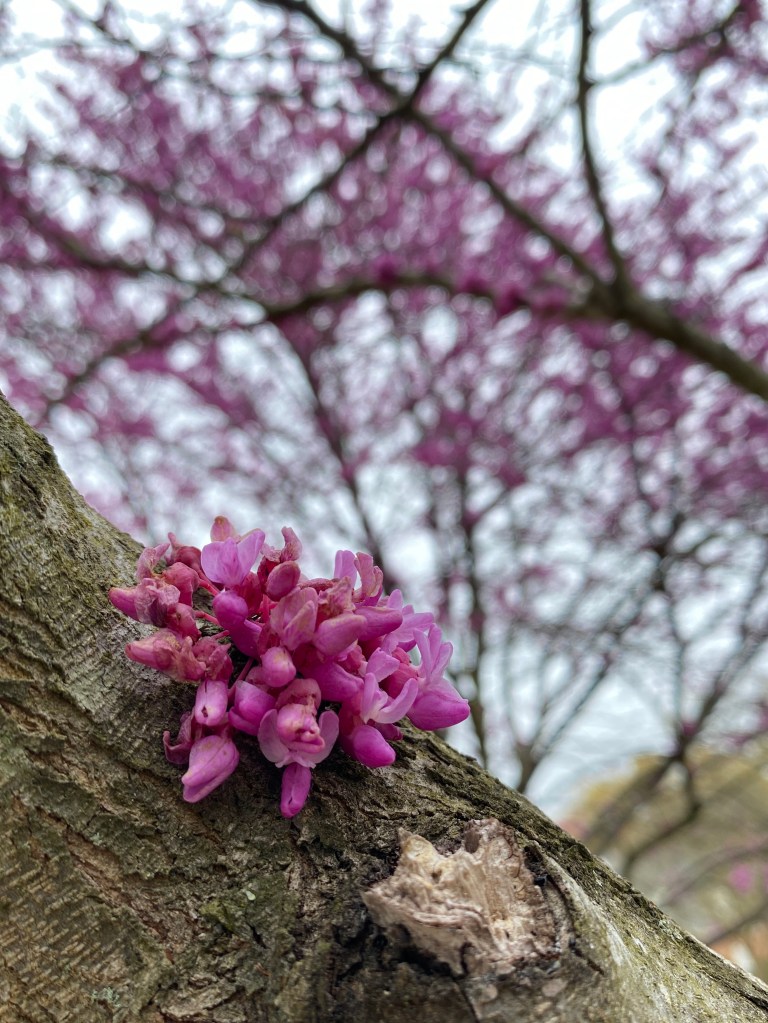


In an era where many are more confused about their identity than ever, perhaps we should practice learning about ourselves by being uncomfortable with exploring our actual tastes, then getting used to the reality that is ourselves.
With enough practice and exposure to ourselves, accepting ourselves for who we are becomes an empowering experience. We become undefined and sometimes misunderstood, but authenticity never lies.



 Cozy Crafting and Art
Leave a comment