“An uncle is a bond of faith that even time can’t sever, a gift to last all of our lives. An uncle is forever.” — Betsy Farrell
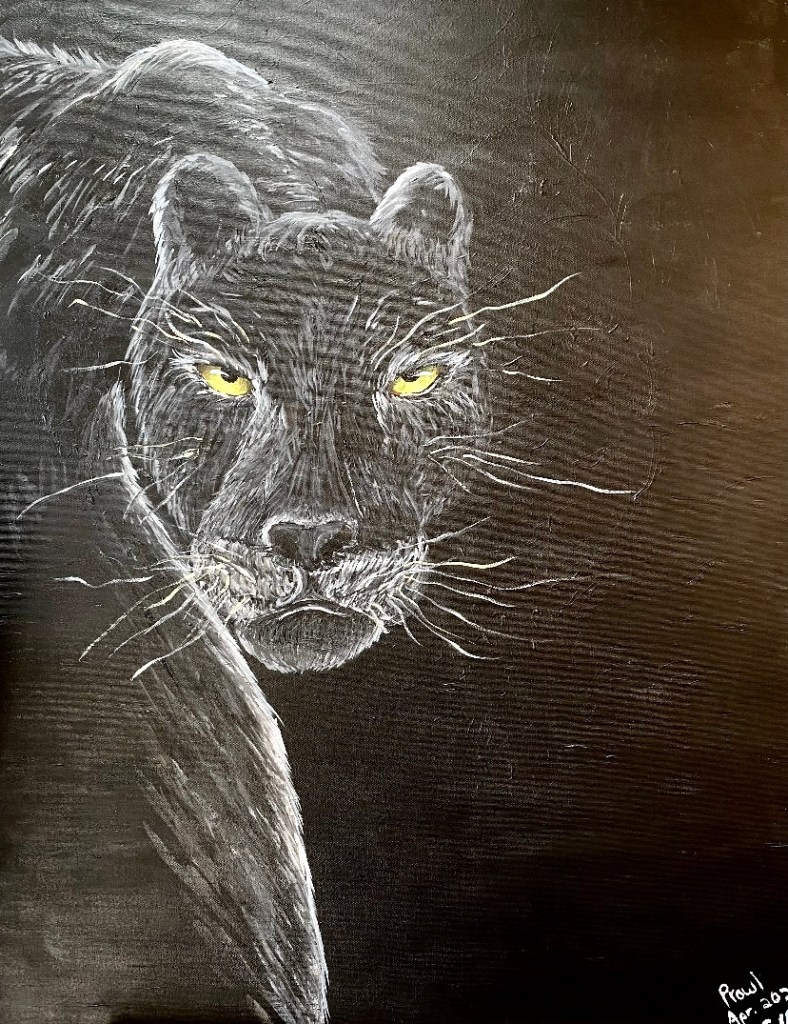
While I was in high school, I was part of an art program that involved quite a bit of design, pencil drawing, and visits to the MoMA―which I have a love-hate relationship with because modern art can sometimes be a display of wasteful wealth of scribbles on a piece of paper, or a banana duct-taped to a wall. However, I continued my studies, sometimes happy with what I could create, but more often than not, wishing I had the brain and control that my Uncle had. To me, he was the real artist, showcasing a command of anatomy that I felt I was incapable of creating. One evening after school, I was presented with a family legacy heirloom by my dad: a faded plum colored smock with a missing button.
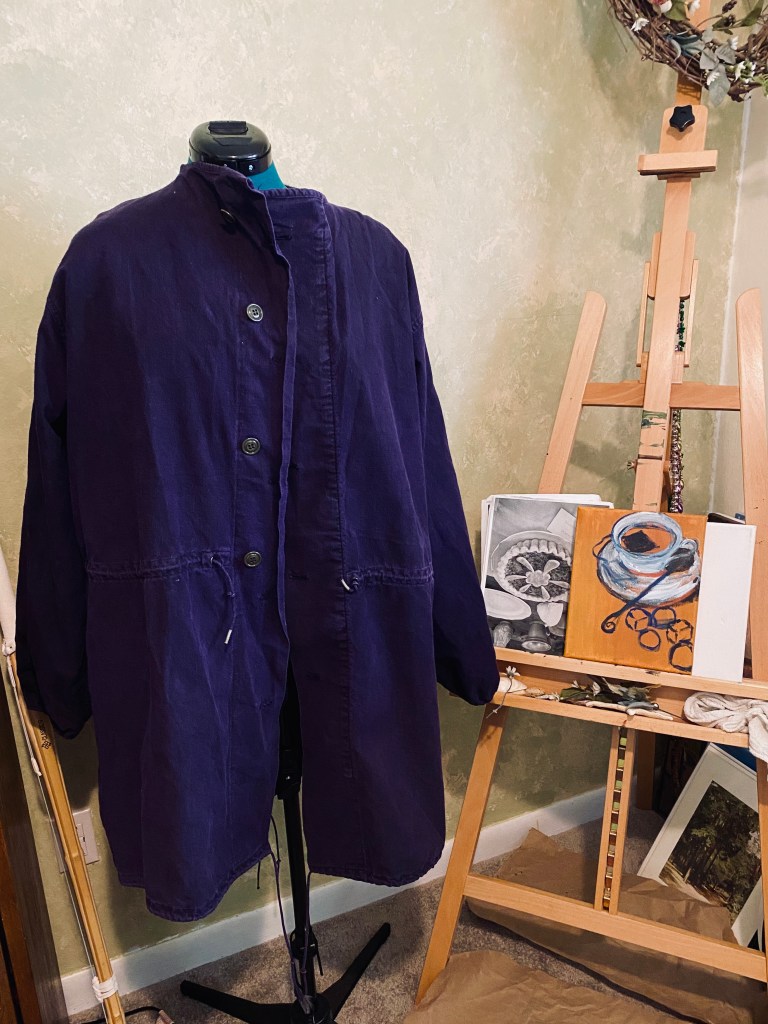
“This was your Uncle’s,” he said, as he reminisced about his older brother’s artistry. I had always known he was an artist, but it was then that I learned he was the kind that did not require classical training, a mentorship, school, or hours of eclectic practice. This was a man who had taught himself to read at two years old, and drew with charcoal and lead when he felt like it, only to produce perfect human anatomy, and very human, vulnerable expressions.
I met my Uncle once when my parents took me to visit him in his home in Florida. I was a baby meeting him for the first and last time before he took his own life.
Years of suffering between him and himself and he and his family had occurred before he decided to commence the decision of no return. However, he also commenced a magnetic pull within my heart because nearly fifteen years later after that day―after Grandma had thought she threw everything of his away―I had the opportunity to rummage through her basement bookshelves and discover all of the old art books that used to belong to him. To our knowledge, Uncle’s surviving items were the plum smock and a charcoal portrait of Granddad. Here I was, a high school art student, gracious that Grandma would let me take home all of the old art books I wanted. Some of them included Degas by himself (1987), Klee (1979), Dali (1974), Henry Fuseli (1974), and Renoir (1978).
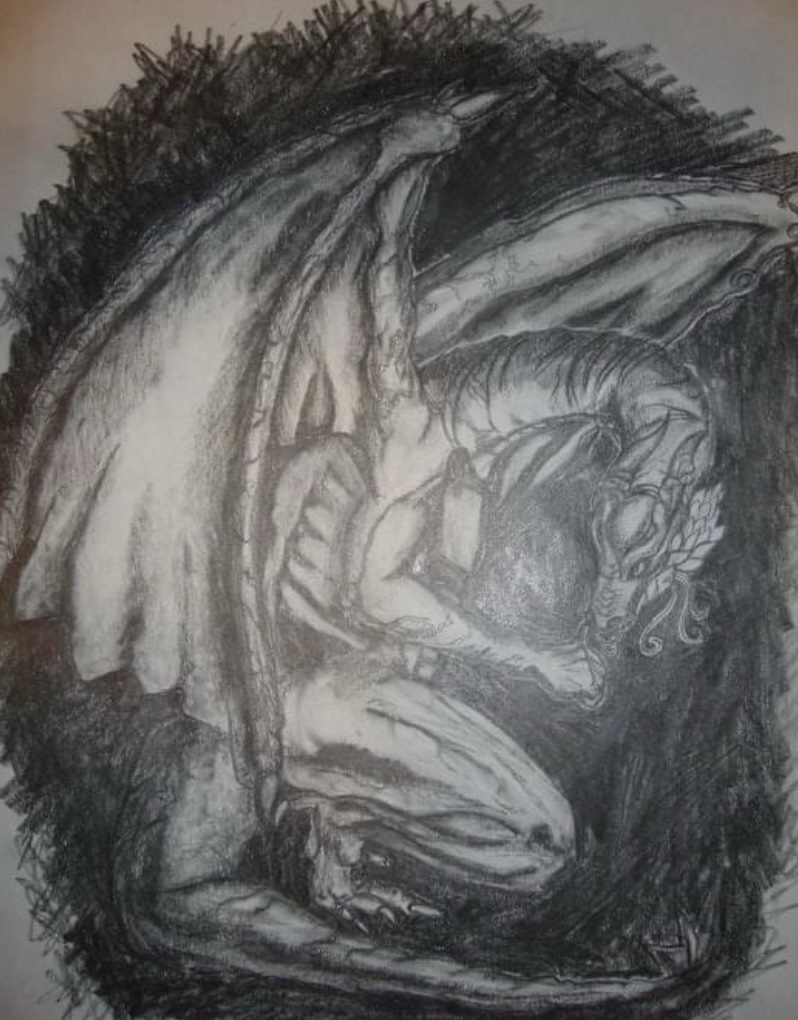
A decade or so later when I was in my mid-twenties and years after Grandma had passed, I was looking through the Renoir book and was flabbergasted that I had missed an incredible treasure within the pages―four treasures, in fact: four sketches of my Uncle’s.
I called my dad immediately, and between laughs and tears, he told me I could keep them to do as I wished. I am a huge proponent of ancestral veneration, so I framed the drawings and had them watch the front door of our house.
Roughly another decade later, as the pictures continued serving as reminders of Uncle, I finally gathered the time, courage, and money to visit his grave in New York.
After trudging the dewy hills of the cemetery with my husband, we finally spotted the dark granite stone. The reunion was overwhelming; I had felt miserable about waiting so long to see him, and held shame that he had probably not had a visitor since the day he was sealed in the earth. He was lonely in life and in death, no flowers to grace his grave.
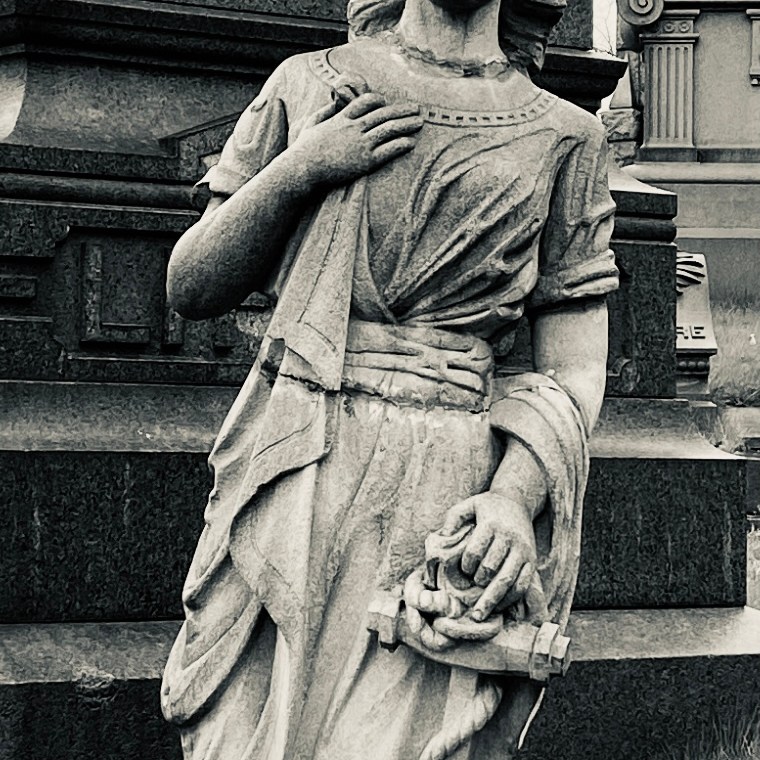
I placed down some fabric blue sunflowers, hugged and kissed the stone, and knelt down to feel the ribbons of familiar grief. I was content when all was said and done, and our connection, though severed in life, was repaired in a sort of purgatory―a rightful pathway that should exist between the living and deceased.
When my husband and I returned home, we were surprised to see that one of Uncle’s sketches had fallen down. It hadn’t been ruined in any way―just fell out of place―as if to say, “Thank you for remembering me.”
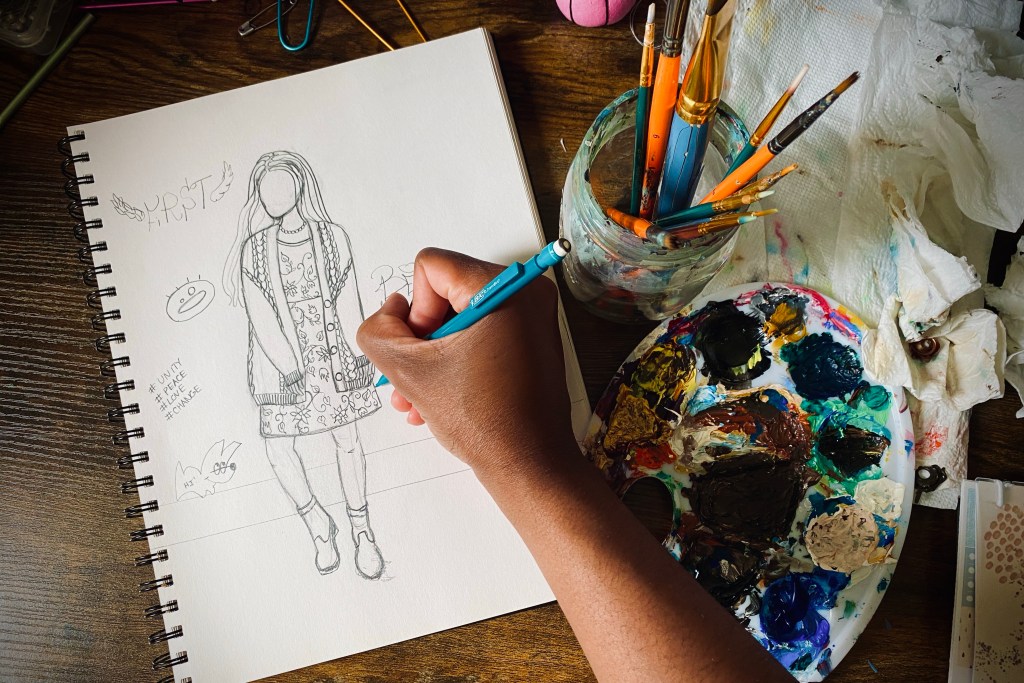
*Note* To protect my Uncle’s work from Generative AI, I will not be uploading his work, however, I will say that I have adopted a lot of his preferences for pencil and charcoal. He is still helping me to find my style.


 Folkcrafts, Art, and Thoughts
Leave a comment