Not sure if this is quite a “skill,” but… I find that discovering our personal style can be deeper than we could ever imagine.
“The worst fashion faux pas is looking in the mirror and seeing somebody else.” — Iris Apfel
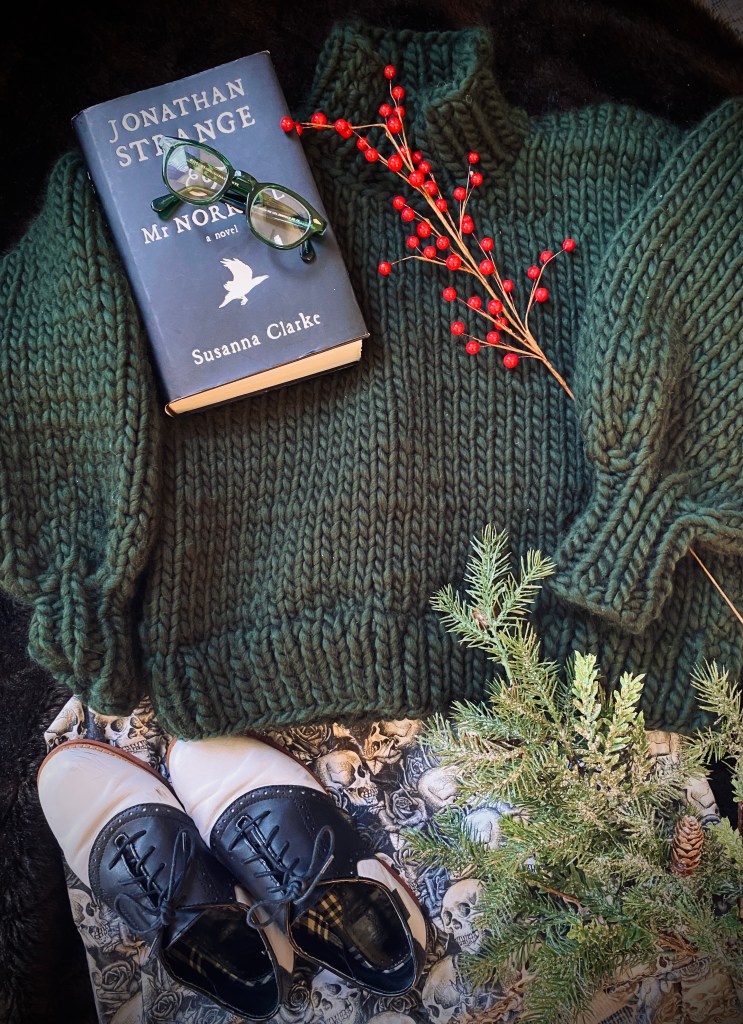
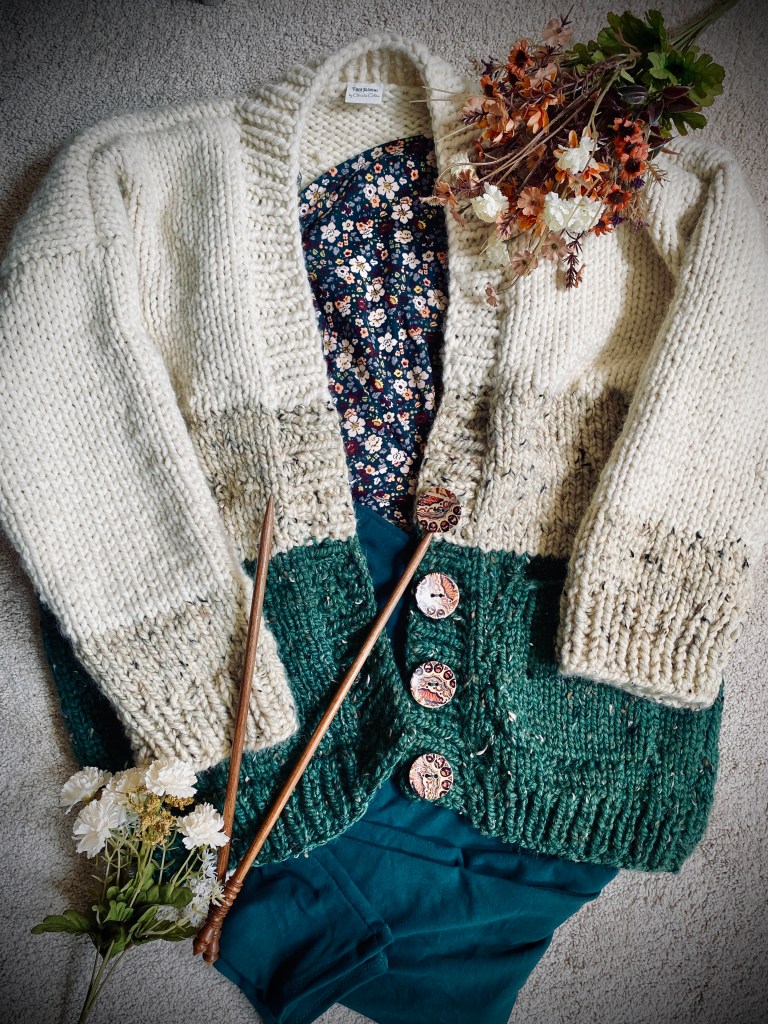

Conforming for the sake of conformity…
My style is still pretty chaotic.
It certainly does not appear that way on the outside. On a daily basis, I enthusiastically choose ease and comfort over eclecticism or showiness.
The chaoticism arrives when I contemplate the variations of styles I have accumulated over the years. When I look back at my younger self, I can’t help but laugh at my attempts to fit in while also longing to be myself—all of which clashed with the expectation to conform to what my parents allowed, what my strict school allowed, and what my friends deemed to be cool.
It is a normal part of growing up, I suppose, but needless to say: what I wore was often all over the place. The moment a piece of the actual me peaked through, I got the side-eye from the family, my school, and my friends. I could dress nicely, but it also involved playing things very safely. Decades later, I then understood what one of my best friends once observed about herself as she was experiencing personal discovery: “I just conform to what’s expected to make those around me comfortable.”
Horrified, I understood that this isn’t a way to live. Now, some conformity is necessary for the safety and function of a group and society. Some semblance of understanding and appreciation for similar tastes is how cultures and subcultures materialize.
With that said, we also need the room to be creative, and sometimes the easiest way to do that is self-expression through clothing and personal taste.
I’m Nobody! Who are you? Are you – Nobody – too?

What sometimes comes along with this self-expression and experimentation is a hyper dose of soul searching. Creativity icon Iris Apfel (may she rest in peace) was full of philosophical might when it came to the self. She once said, “The worst fashion faux pas is looking in the mirror and seeing somebody else.” Her words were the bite that teleported me to reality.
Iris isn’t just talking about clothing. She is also talking about ideals, preferences, memories, relationships, and actions. All of these manifest themselves when we look in the mirror. They determine whether or not we are proud of the reflection looking back at us.
I connected that not liking how I looked has little to do with how attractive I feel and what fashion trends I barely follow. It has to do with how I show up in the world. In reality, I did not like how I looked because I did not look and feel like me, and this affected how I showed up for not only myself, but also for the people I cared about. Not showing up for me and others meant that I was not investing as much time and effort into my goals, relationships, and pursuits. Showing up as someone else made me feel like a nobody—regardless whether that was true or not.
There is a lot of truth to dressing for success. In one way, it means showing up presentably for your future career. It can also mean dressing to feel your best so that you can be your best. Think about the difference we feel when we are dressed for bed versus dressed to see a concert or dressed for work. There is a “readiness” and “alertness” we perceive when we put effort into our appearances.
Independent thought is vital during chaotic times


When rights are suppressed, people tend to rebel in unique ways. Exercising creativity and independent thought is vital during chaotic times. People in power might be able to brainwash some constituents, but they will never brainwash all of them.
Fiber crafting is my favorite way to keep the peace in my mind, and keep control over the powers that attempt to control me. In the spirit of the fashion rebels of the past and present, one of the ways I attempt to keep my mind focused and creative is by exercising control over what I choose to wear. It’s something taken for granted, having that freedom.
Art and fashion is inherently political because they take sides with either mainstream expectations or oppositional subcultures. DIY tasks can also fall into these categories by challenging mainstream capitalism, giving power back to the people through monetary wealth and the right to repair.
2025 is an important year for me because it is the year where I have to work hard to maintain strength during political, economic, and environmental uncertainty. It is a troubling reality where I and many others have to tread our futures with conviction. It might seem trivial, but one of the most non-violent ways to achieve this is self-expression through clothing and Do-It-Yourself ventures. Fashion has always been a pipeline for rebellion as well as subjugation.
Trends Need Not Apply. No Purchases Necessary
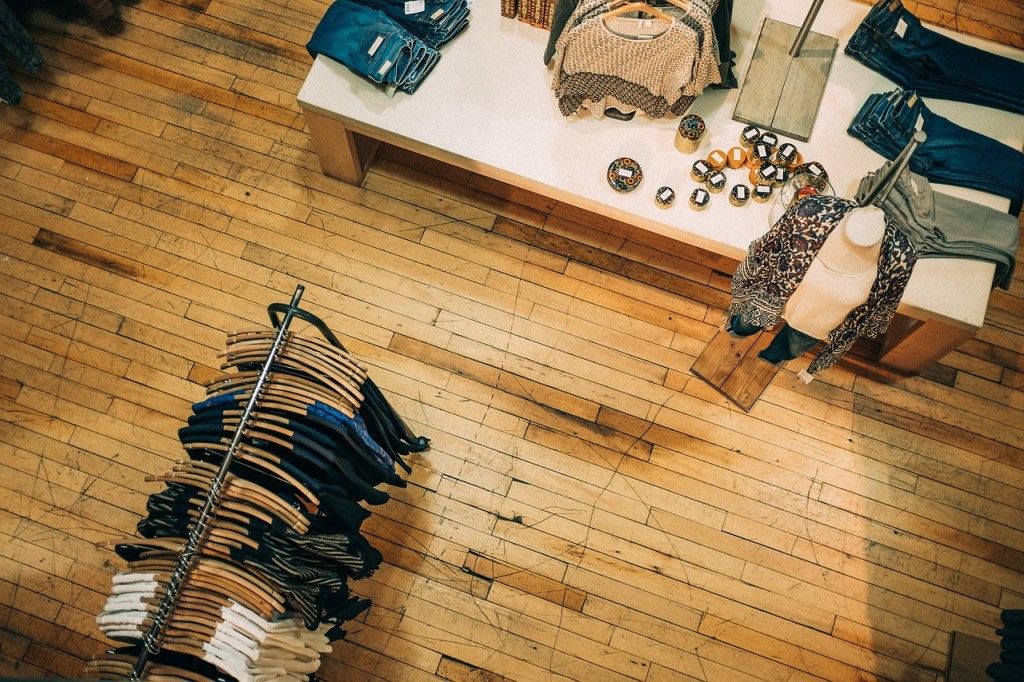
Back in the day (1990s and earlier), I remember fashion being a seasonal phenomenon in which trends and fashionable expectations were made in Spring/Summer and Fall/Winter cycles. If you had the money, you could rotate pieces out. The rest of us got our hands on discount pieces later on after the seasons were over at department stores. The quality of the garments were better with well sewn construction, strong linings, and quality materials. Today, we have microtrends, filled with hyper-compartmentalized styles that are just as cookie cutter as they are vague. Although this is an easy trend for me to avoid, I figure I explain why I’m not easily swayed by them, and why they will not be part of my creative process.
Microtrends surge through social media posts and intense marketing, popularizing any aesthetic for a couple of weeks to just a few months, and then they crash, burn, and die as quickly as they are born. As someone who was never a trend follower, even I’m exhausted by them mainly because they take a vibe from something, beat it into submission, and then trivialize and misinterpret the original sub-culture it belonged to.
For example, I was part of the emo music subculture and scene in the early 2000s. I still enjoy emo music today, along with nu-metal, symphonic metal, rock, and punk. A huge part of my high school life revolved around pop-punk and emo music, and one of the highlights of my young adulthood was an incredible punk concert put on at my school, performed by my classmates. My friends and I were hopeless romantics fueled by art, theatre, music, and literature. But, my real-life interactions with the young people in my life today have shown me that they have no idea what Emo is outside of stereotypes of “darkness,” “emotions,” “self-harm,” and fashion starter-packs and aesthetics. I have to literally tell them that it’s about the upbeat and intense music, and brash expressions of human emotions. It is disheartening to see that something I have a profound human attachment to has devolved into a starter pack-meme and a purchasable bundle.
What to do about it…
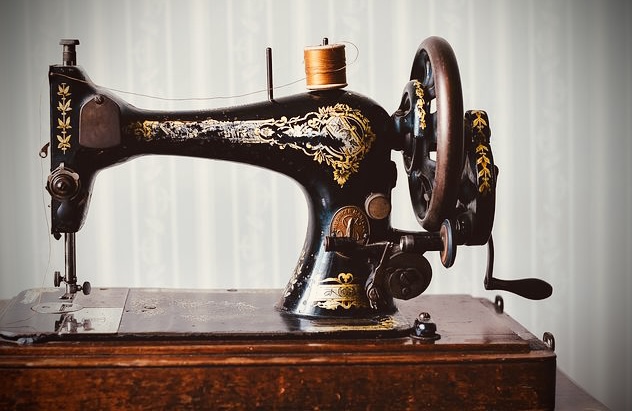
Because I am probably overthinking it, rather than complain about the death of subculture, the better response is to keep it alive by living the walk.
There are still subcultures out there that live by originality, philosophy, and community. Beautiful souls are still part of them, and they understand the need to express themselves within a sea of planned conformity.
Despite having a bit of an identity mix-up growing up, I value having the maturity to deconstruct myself in a way that was honestly impossible as a child, teenager, and young adult. My style still feels pretty chaotic, but artists, seamstresses, musicians, and historians inspired me to seek self-expression and discovery through fashion in a method I never thought I would take to: actually learning to sew.
Learning to sew, knit, crochet, and embroider—no matter how crude—is the key to finding out just how much of yourself exists in the world.


 Cozy Crafting and Art
Leave a reply to I Sewed My Own Clothes For A Year. Here’s What I Learned… – The Alchemist Diaries Cancel reply