“But to use the knowledge of the threading, you must learn the making of the shades. When to sadden with the iron pot. How to bloom the colors. How to bleed.” ― Lois Lowry, Gathering Blue
I remember that fateful day when I was still a full time baker trudging away during the COVID-19 pandemic as an essential worker, hoping to any god or force that I would not catch the plague that ravaged the country. When I got home, I found consolation in creative videos online. I have no idea how I found her among my algorithm of baking videos, historical documentaries, political video essays, and book reviews, but I ended up finding Bernadette Banner.


An eccentric storyteller with the most gorgeous wardrobe, I was hooked on her documentation of various garment restoration projects. I had no idea what she was doing; only that it was magic wielded using a needle instead of a wand. Somehow, she had planted a seed within me. A year later, I took a trip to Colonial Williamsburg where I purchased a few yards of damaged Blue Exotic Flowers Reproduction Fabric. I had no idea what I would do with it, but I did know that I was finally going to teach myself how to actually sew.
To inspire myself to stay motivated and learn new skills, I severely restricted my clothes shopping, only purchasing two t-shirts for an entire year. I drowned in sewing books, tutorials, documentaries, and vlogs. I pretended to love styles that I actually hated. But, finally, I found a groove that truly helped me discover myself and the wonderful world of materials around me.
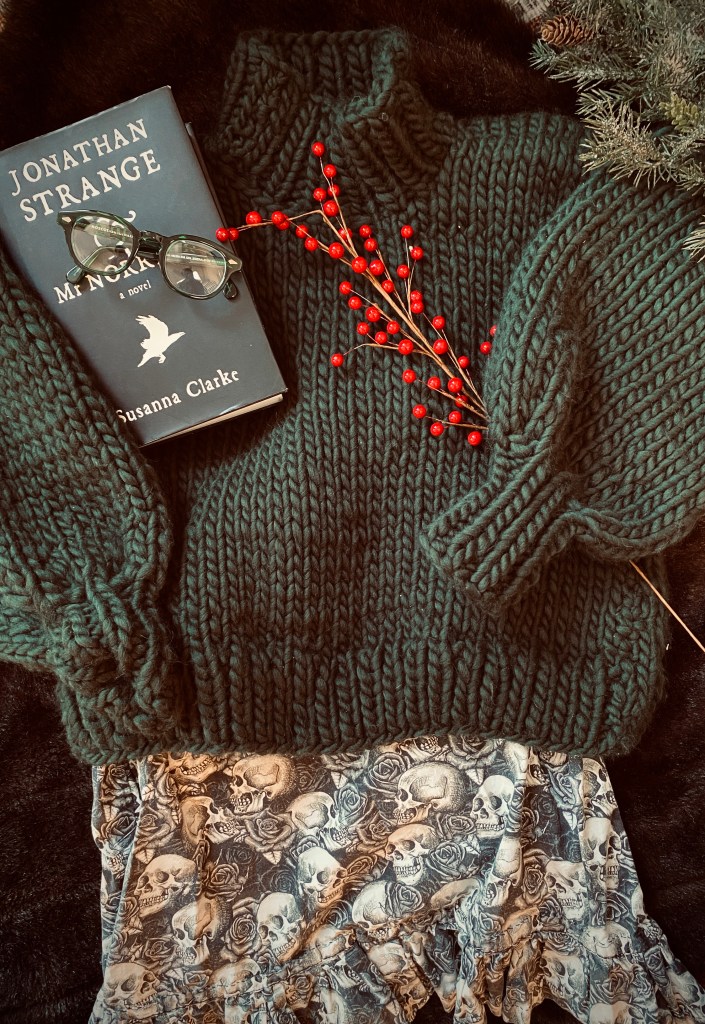
I sewed (and knitted) my own clothes for a year. Here’s what I learned as a result.
One: I learned the importance of mending…
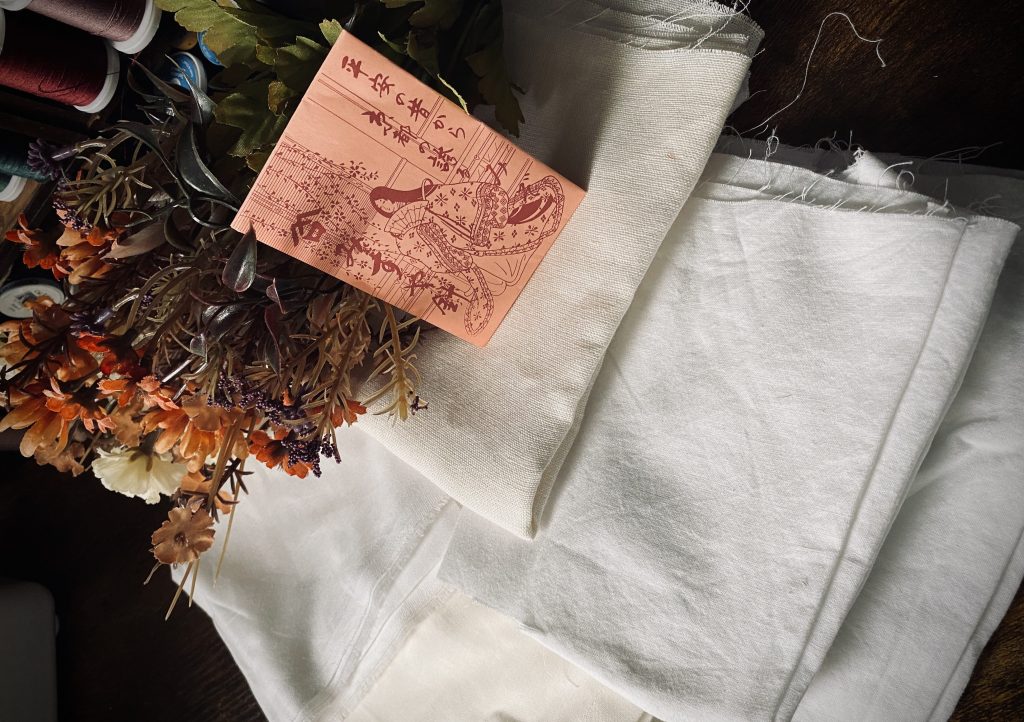
I have always mended my own clothes. My mom taught me some hand sewing when I was a kid so that I could put buttons back on, patch up seams, and apply patches. However, I did not understand garment construction. Consequently, I would donate or throw away clothes that required simple repairs.
Learning to sew truly taught me how to take a garment with significant amounts of damage, and simply repair it. Torn seams, loose hems, missing buttons, and even worn down weaves were now fixable. Severe damage can now be covered with attractive patches and “visible mending.”
Beloved clothing I would have once donated or tossed is now safely in my closet, still being worn and loved. I ended up extending the lives of many of my favorite clothes.
Two: I learned the significance of fiber content…

Sweat. Odor. Soil. These natural occurrences are the bane of our existence. However, learning to sew taught me that fabric type and how we wear it can mean the difference between being uncomfortable with sweat stains, and feeling clean and smelling fresh.
I always thought there was something wrong with me because I felt as though I was constantly sweating through clothes, and no amount of washing could remove some of the odors. I avoided wearing certain types of garments and colors because the prominent pit stains were embarrassing.
The reason for my discomfort? Polyester and pretty much any synthetic fiber. Synthetic fabrics are cheaper to purchase, but the low price tags earn us a different set of problems: unbreathable garments that hold onto odors and stains.
Sewing gave me the ability to choose the fabrics I wanted to wear against my skin. Linen, cotton, and wool are natural, and hence, breathable and to some extent anti-microbial. They are also more effective in regulating body temperature. I developed a newfound respect for these materials and made my own garments out of them to alleviate discomfort.
The sweating has reduced, the odors eliminated, and I am now more likely to shop and create with fiber content in mind.
Three: I worry less about what size I wear, and more about how my clothing fits me…
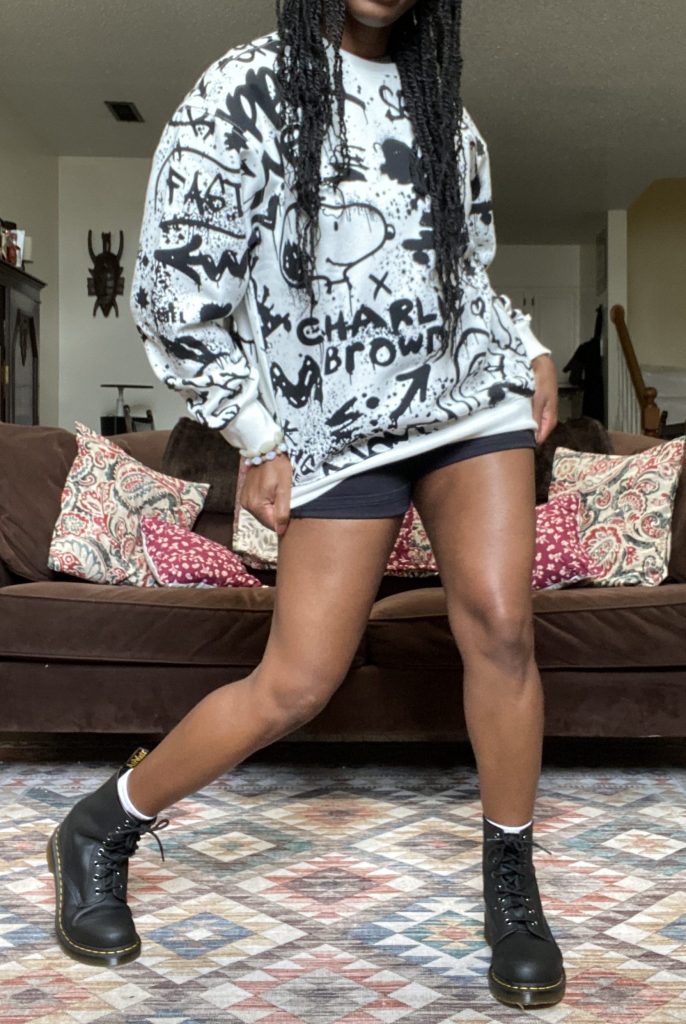

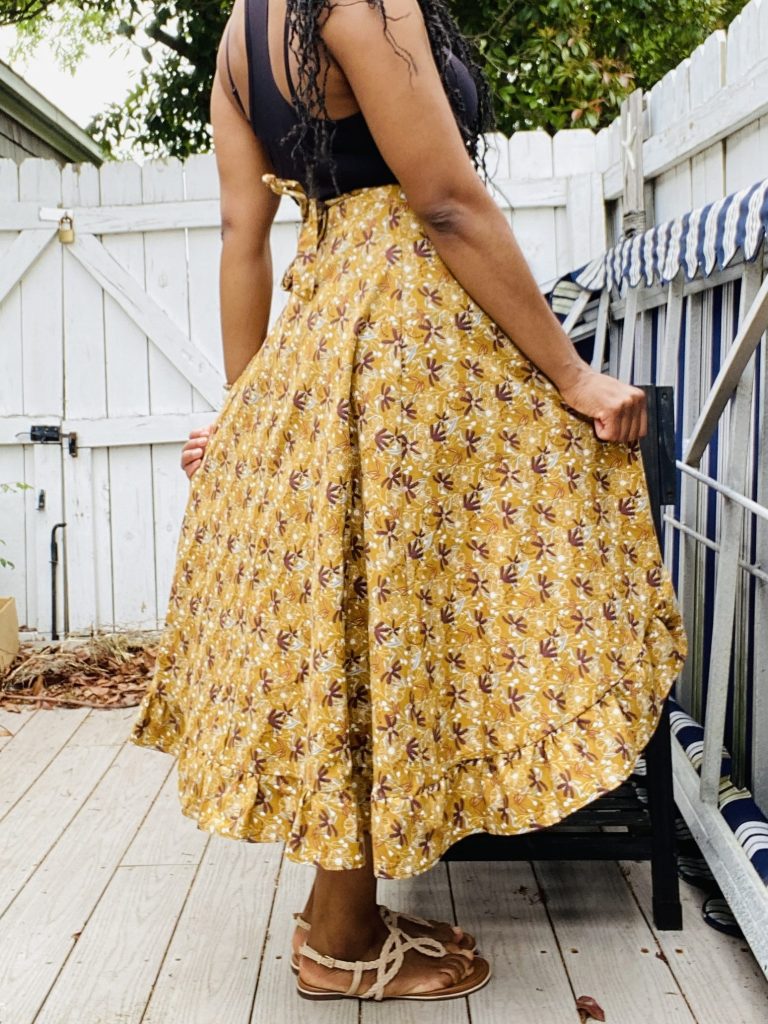
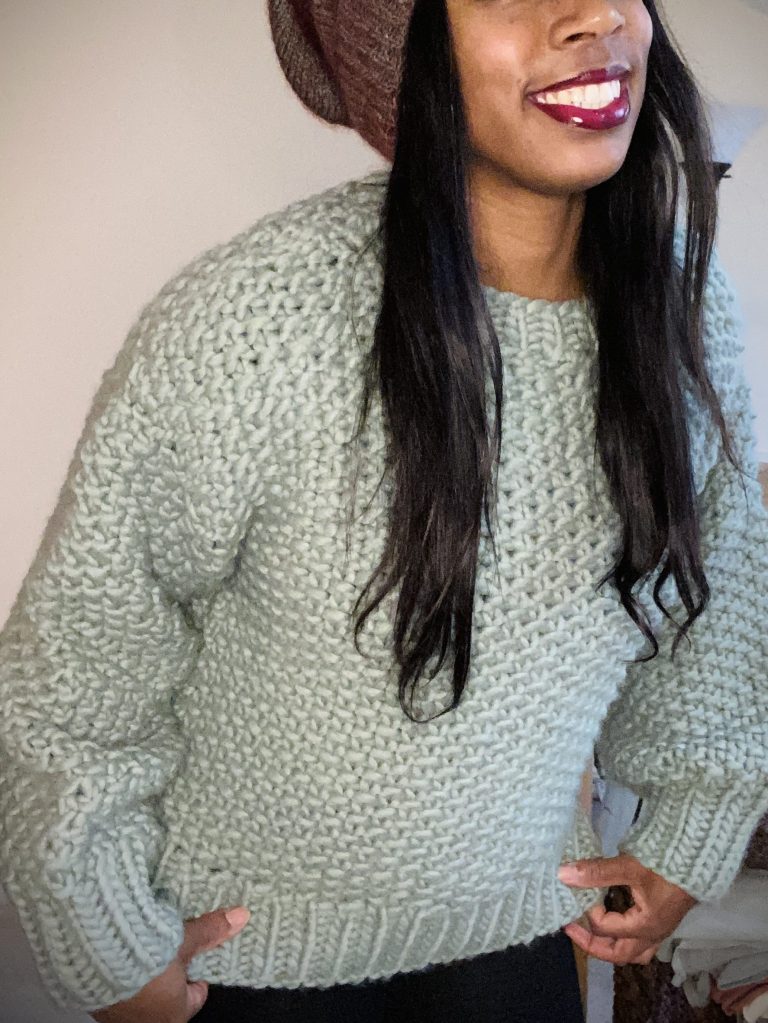

I have always had a unique body weight. For reference, at 5’4″, I typically weigh 80kg (175lbs). For most women, this puts them at a size 14 or 16 in the US. However, this puts me at a size 8. I am four sizes smaller than most women at this weight. My entire life, I have always had a naturally high BMI that has put me within the “overweight” or “obese” category. I was even considered overweight at my lowest size (US size 4). I was stuck on the number on my clothing size and the number on the scale, instead of the more obvious proof: did my clothes fit, was my WHR heathy, and was my bloodwork clear?
Needless to say, I was confused and probably had a little body dysmorphia. I have never had an eating disorder, but it took seeing a doctor and buying a specialty scale to find out my bone and muscle density was above average―tack on the weight training and martial arts, and I was never destined be average in weight anyway.
Learning to sew and knit allowed me to take a breather and look into the history of clothing sizes. Clothes used to be custom made to fit an individual. Today, clothes are made in several generic sizes to approximately fit the average body. When I make clothes for myself, I no longer think about the “size” of the finished garment as a static measurement. I now create with the intention of making clothing meant to fit my unique shape while also accommodating weight fluctuations.
Depending on my seasonal training regimen, my body typically fluctuates between US sizes 6 through 10, and all of my clothing can fit within this range. And, because I create clothing that makes me feel good, I never worry about how it looks. My personal style is the endgame, not a size.
Four: I now shop intentionally…

I am no longer an impulse buyer. For the record, I never did over-buy clothes. However, I did have trouble shopping cohesively. If I liked something, I tended to buy it regardless of whether or not it fit with what I already owned―or even regardless if it fit my lifestyle!
With sewing and knitting, I now will only bring a piece home if it falls under the following criteria:
- The garment fits with what I already own in my closet.
- The quality is satisfactory or above average.
- The fiber content is comfortable and breathable.
- The garment works with my lifestyle.
- The garment works with my unique weight fluctuations.
- The garment is something I cannot reasonably make myself.
In theory, I could attempt to make everything, but I do not have the time nor desire to do that. I am perfectly fine with buying something if I need it, or value its artistry enough to want one for myself.
Shopping in this manner is not particularly easy nor always cheap, but the satisfaction is worth it. I am much happier with my carefully curated wardrobe, and I actually get a lot of wear out of the clothing purchased with these bullet points in mind. Best of all, I can focus more on style rather than quantity.
Five: I gained an appreciation for smaller designers…

Speaking of shopping intentionally, I now have an appreciation for designers and boutiques outside of mainstream fashion. There is nothing wrong with mainstream fashion per se, but it does tend to homogenize style because it operates on marketing trends, algorithms, and data analysis. Throw AI into the mix, and you have recycled slop.
I am not a clanker―and neither are you. Small designers truly value artistry, skill, and craftsmanship. Their clothing is guaranteed to be more expensive, but it encompasses hours, days, months, and sometimes even years of designing, planning, material sourcing, and sometimes sustainable marketing to create a work of art meant for you to enjoy long term. They are the warriors of creativity, and this creativity should be compensated accordingly.
Sewing and knitting my own clothes has made me aware of the work involved in putting a garment together, and how this work is devalued because our capitalistic culture demeans, diminishes, and degrades art and creativity for a quick buck. We get what we paid for.
This does not mean that we can and should throw down $300 every time we desire a new addition to our closet. However, it does mean that we should think before scoffing at a price when the money goes directly to the maker, and not stockholders.
Six: I have a better understanding of my personal style…
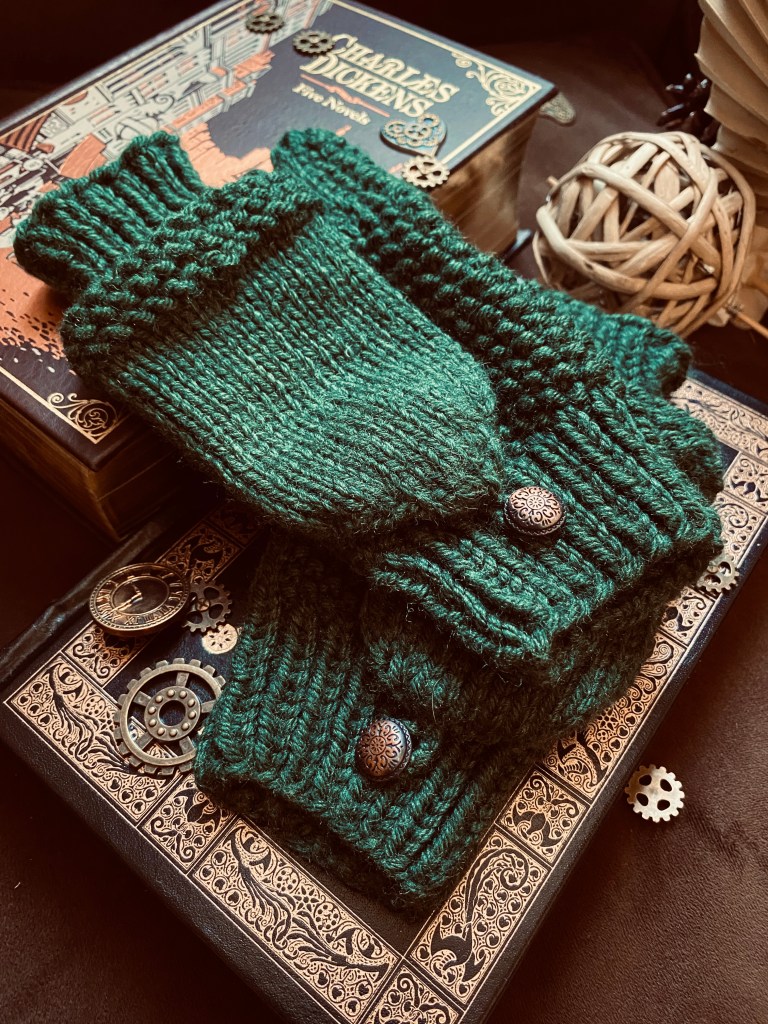
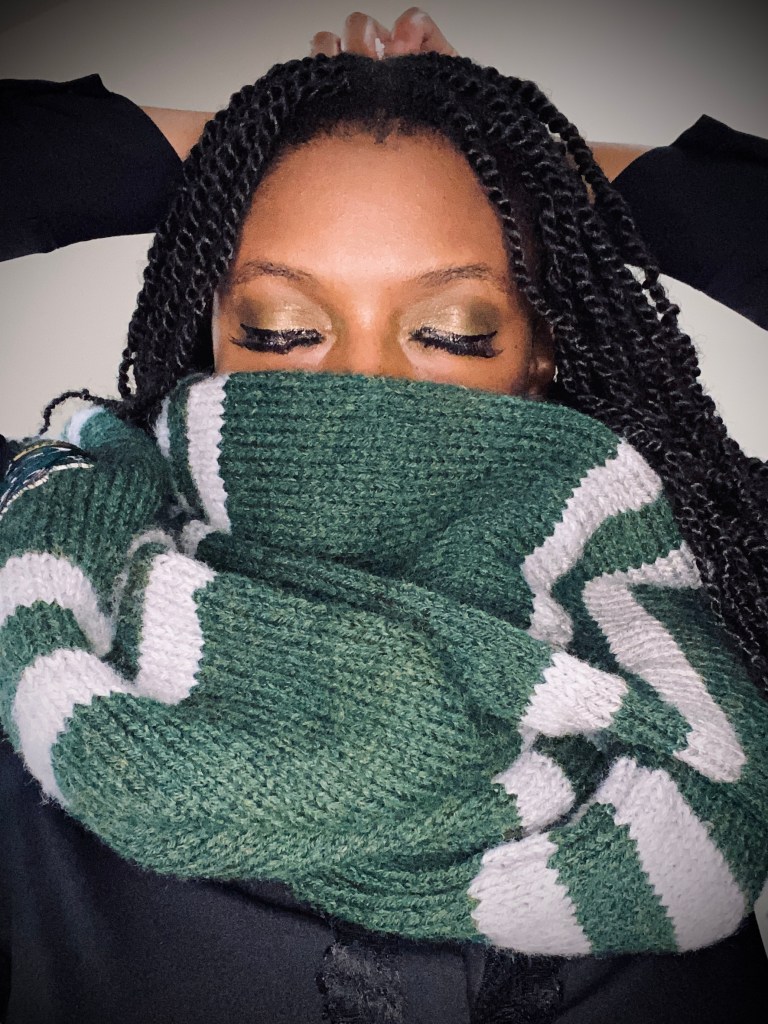
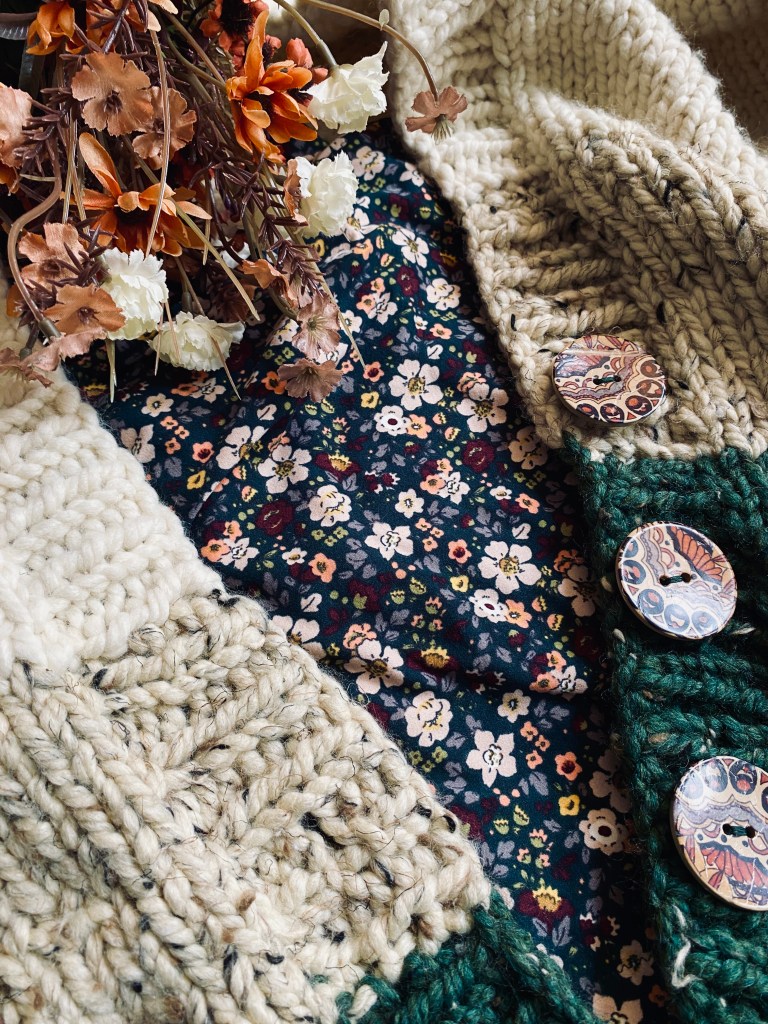
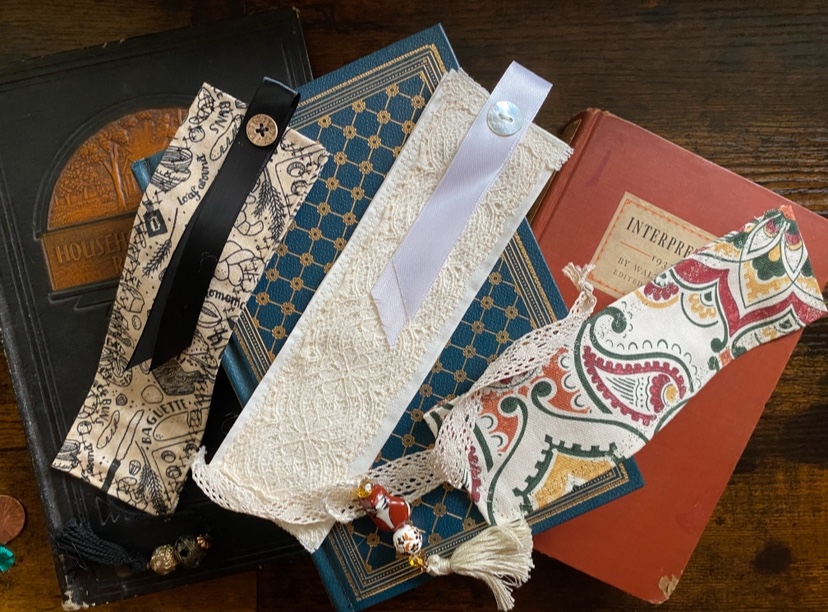
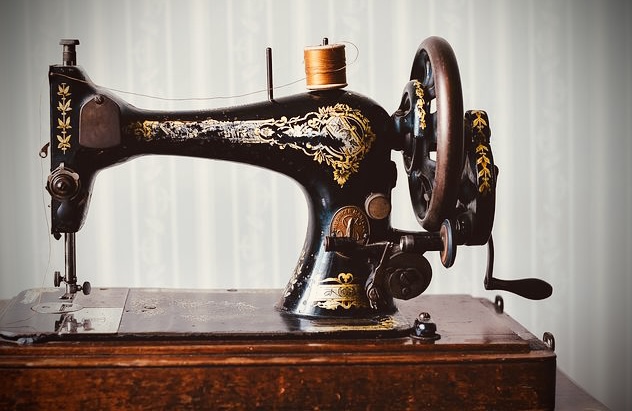
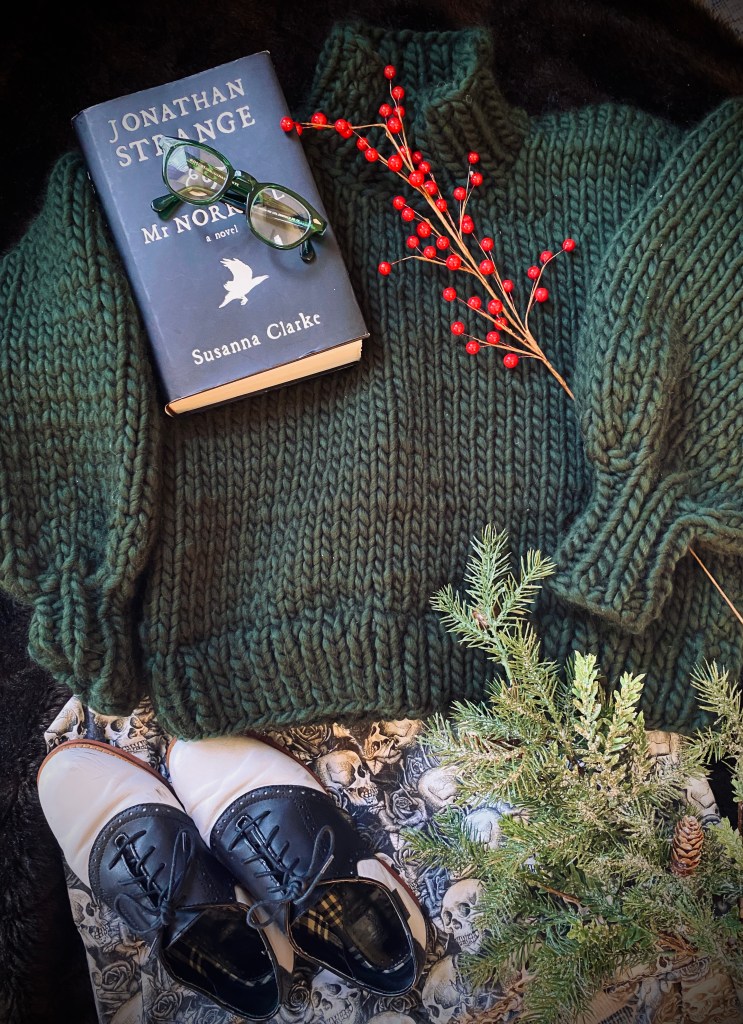
Sewing and knitting has given me a whole new prospective about how I want to show up in the world. While I am not quite there yet, I have a more cohesive understanding of my personal style, and the more I explore it, the more comfortable I become within my own skin.
In a world where autonomy is constantly under threat, fashion is the answer because we do not want to be told what to wear. This goes for actual clothes, and the masks we wear to maneuver throughout society.
Sewing and knitting forced me to reevaluate my belief systems and personal expectations. The result is that I can now speak and move with confidence, and what I create is a reflection of me.
The style that erupted as a result, is a conglomeration of my favorite subcultures, fiber preferences, colors, cultural, and historical references. I know what I like, and I never feel like I am missing out because a trend told me to buy something.
Seven: I learned that all clothing is made with human hands, even with the assistance of machinery…
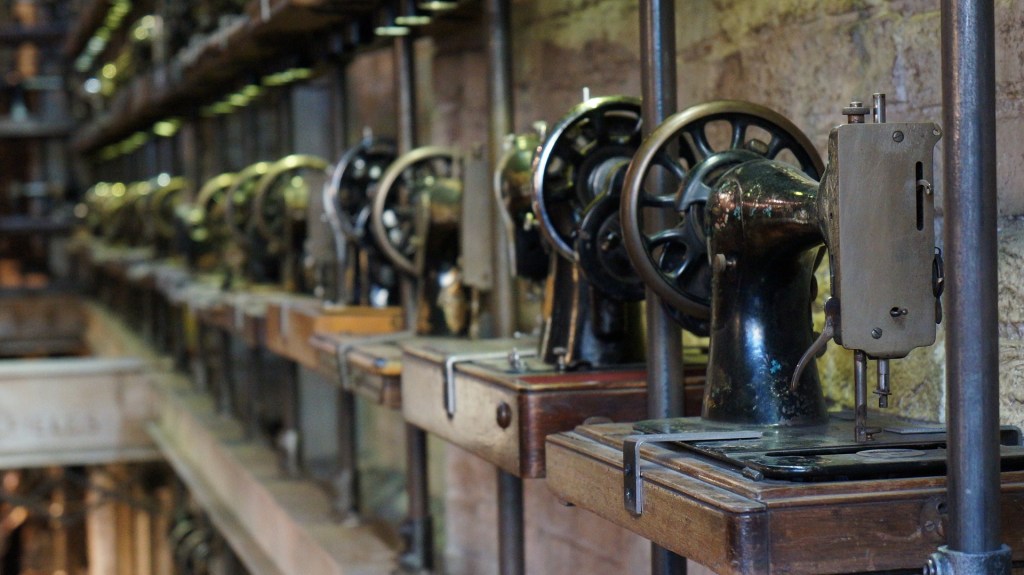
Probably the most important of the list, I learned that all clothing is made with human hands. Yes, there are sewing machines, knitting machines, and other industrial tools used in the garment making process. However, not a single part of the clothing making process is fully automated.
Human hands must still sew on buttons. Human hands must still assemble fabric details and panels. Human hands must hem. Only human hands can crochet. The labor that goes into garment making is highly undervalued. There is a human and environmental cost to fast fashion practices. Although I know it is currently unrealistic to end ALL aspects of fast fashion manufacturing, I believe in making smart choices when it comes to clothes shopping by buying what you can realistically afford in small doses, then mending and upcycling when the clothing gets rough.
The abusive practices of fast fashion have wreaked havoc on our environment, human livelihoods, and animal welfare. It has also led to us as people undervaluing the work required to put together the clothing we take for granted. A t-shirt is not just a t-shirt. Having made one before, it is not simple, nor is it easy and cheap.
Whether it is sewing, knitting, crocheting, embroidering, or cross-stitching, the craft of fiber arts is never simple, nor cheap. There is a cost. The cost is labor, time, and the environment.
So, I dare you to try to make your own clothes for a year. This is what I learned from it.


 Cozy Crafting and Art
Leave a reply to Daily Art Musings: Judging Fashion in a Different Way – The Alchemist Diaries Cancel reply