““There’s great value to knitting or digging up your garden or chopping up vegetables for soup, because you’re taking some time away from turning the pages, answering your emails, talking to people on the phone, and you’re letting your brain process whatever is stuck up in there.” —Chellie Pingree
Last year, I did something that I’d never done before. I frogged an entire project. In fact, I didn’t just frog one entire project. I frogged several. Hats. Cardigans. Sweaters. I accepted the fact that I really didn’t like how my projects were looking and feeling.
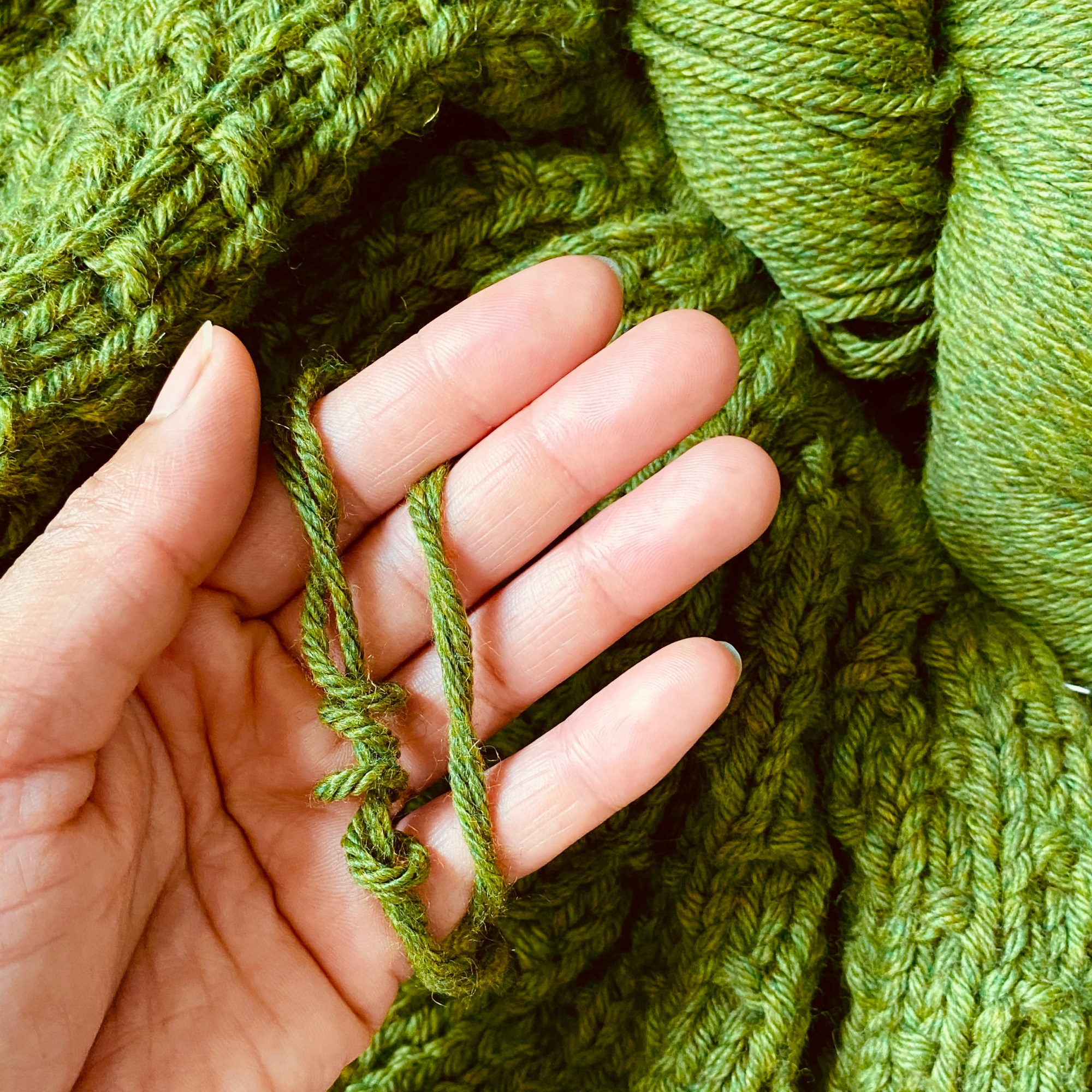
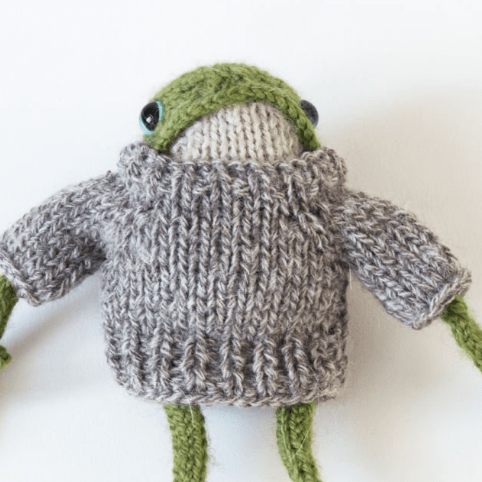
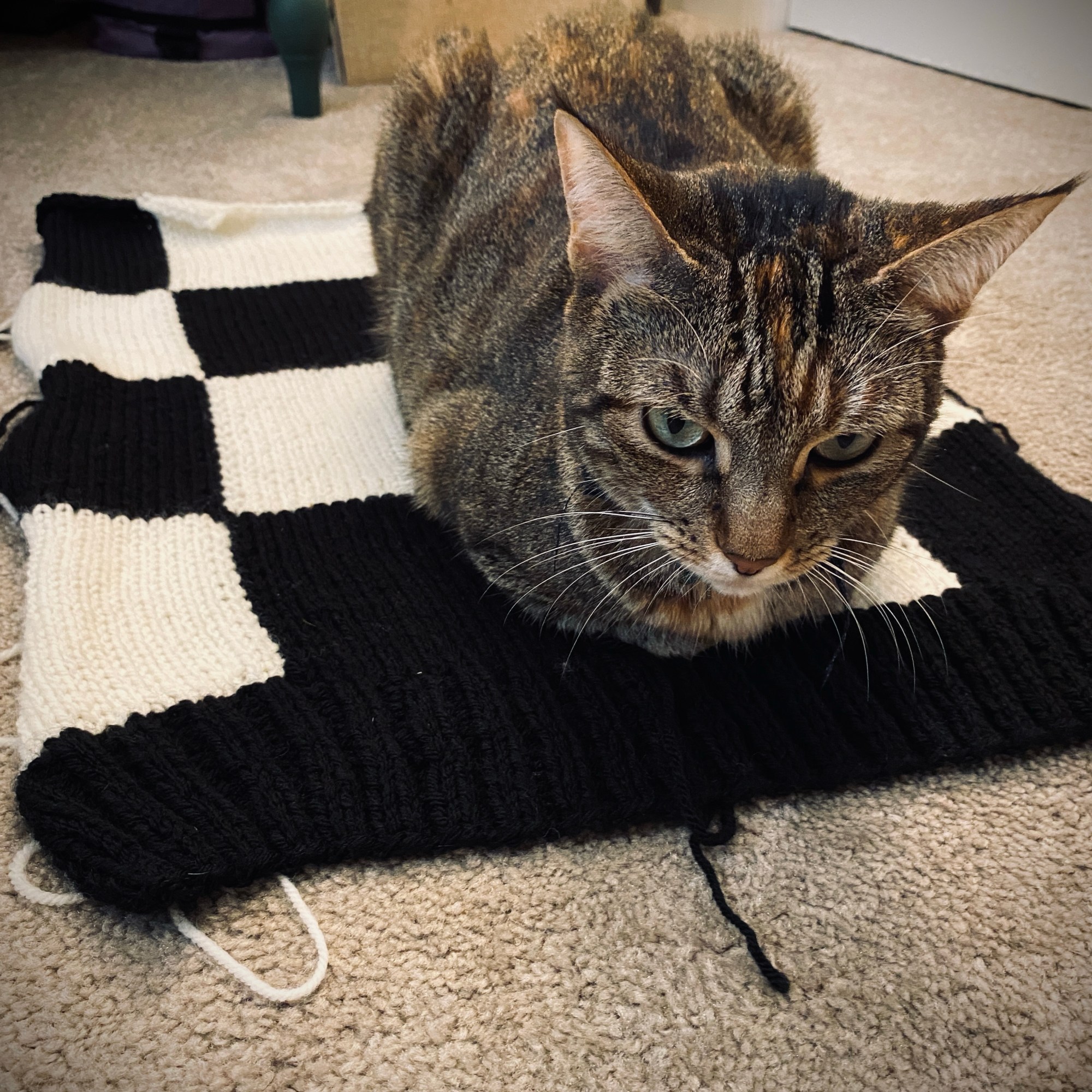
I’ve unraveled work before to fix inconsistencies in how I executed a pattern (cable errors, too many dropped stitches, etcetera), but this year I completely unraveled projects to start them over from scratch—something I typically avoid.
What is Frogging?
Frogging is the act of unraveling your knitted or crocheted work to fix a mistake or start a project over. It is typically done to:
- Fix noticeable mistakes such as dropped stitches, incorrect pattern repetition, or uneven tension, which can disrupt the flow and appearance of the project.
- Fix issues with the size. Sometimes, the project doesn’t match the intended size, whether it’s too large or too small. Frogging allows for adjustments, whether that means modifying the pattern or switching needle or hook sizes.
- Adjust the yarn choice. If the yarn selected doesn’t suit the project—either due to texture, color, or fiber incompatibility—it might be better to start over with a more appropriate yarn.
- Correct dissatisfaction with the overall design. Sometimes we realize mid-project that we don’t like how the pattern looks. Frogging offers a chance to change the design or switch to something else.
- Guage issues. If the gauge (stitches per inch) is off, it will certainly affect the final dimensions or fit of the project. Checking the gauge ahead of time prevents this issue, which I believe is one of the worst outcomes.

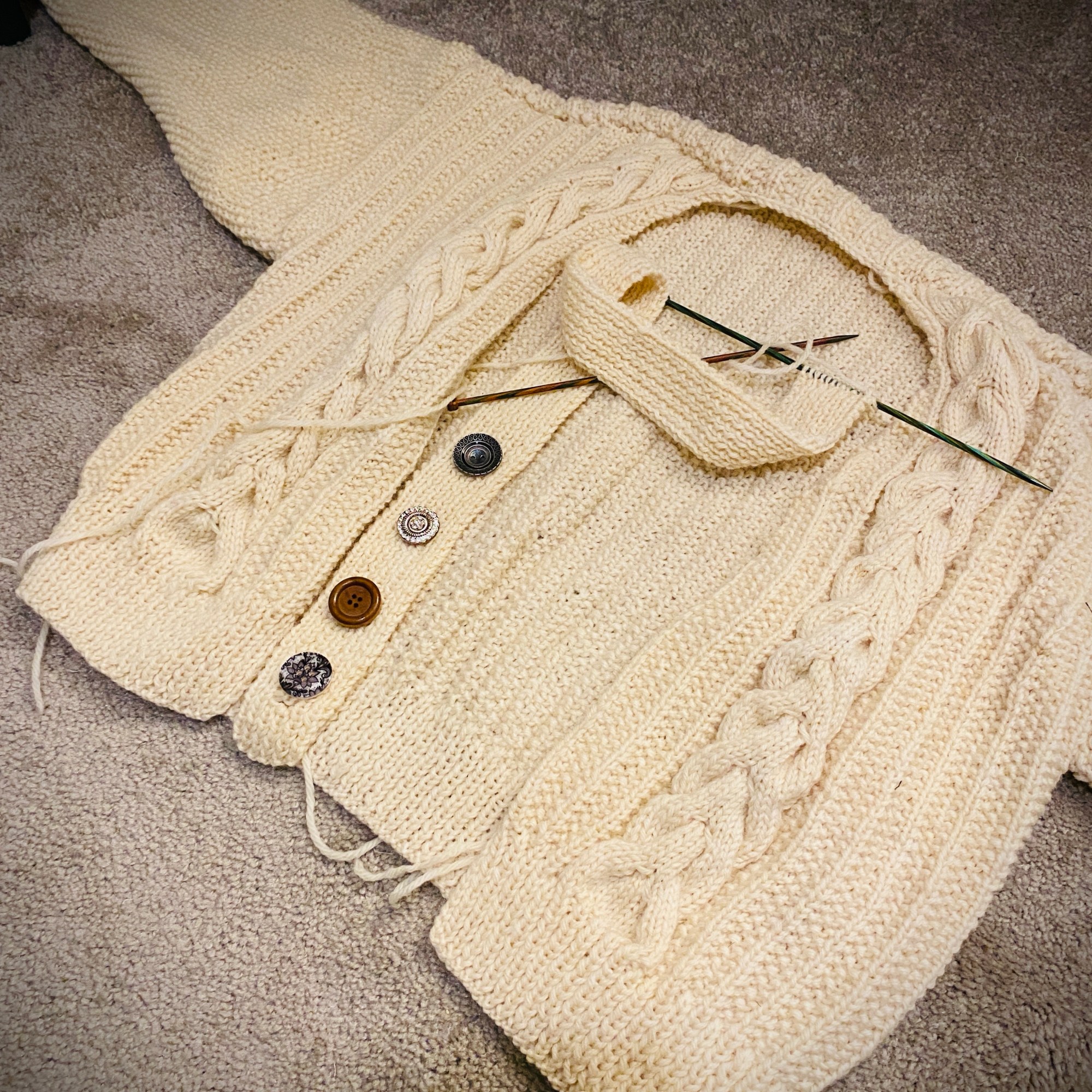
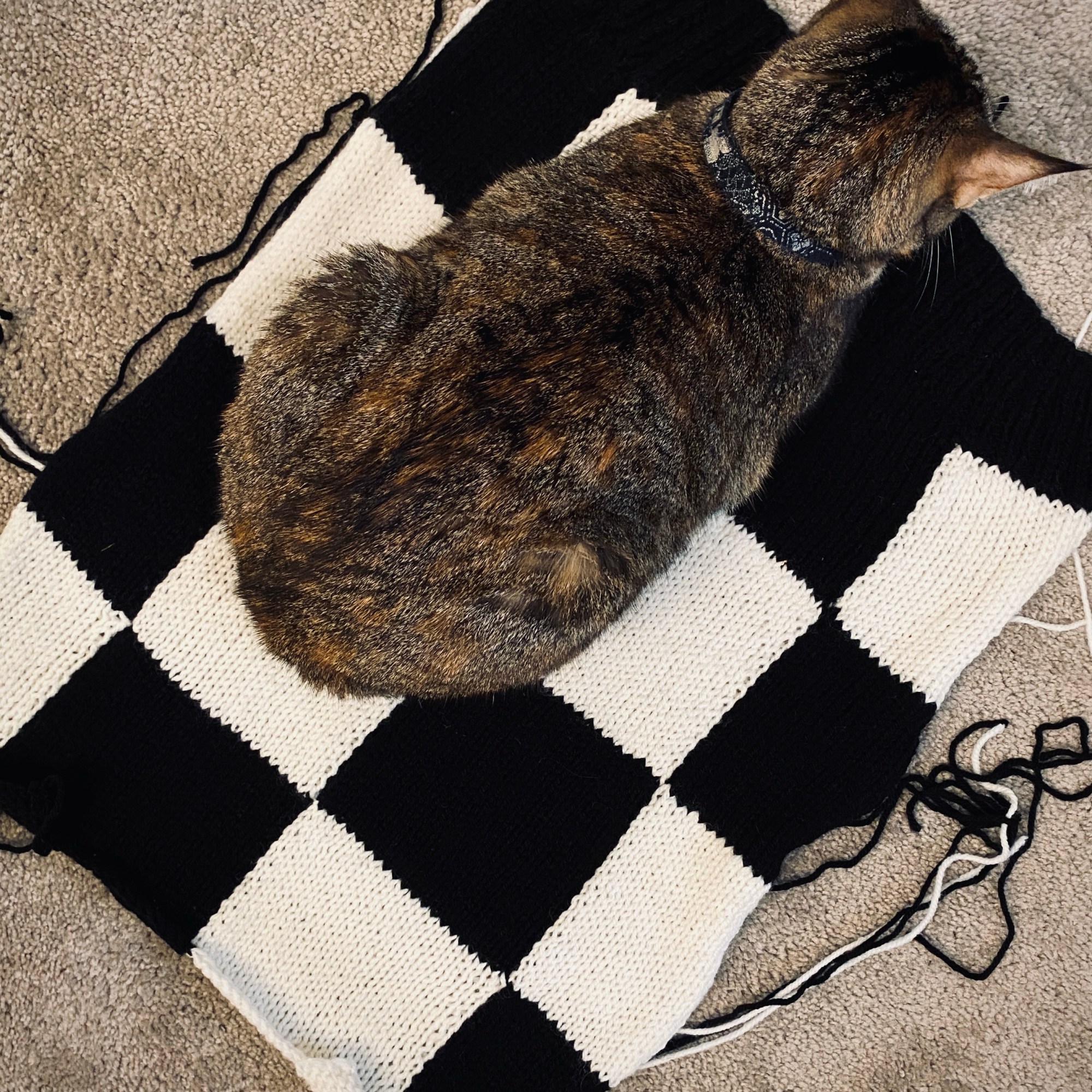
Your Work is Only as Good as What You’re Willing to Rip Out
I’m paraphrasing here, but there’s a saying for sewing enthusiasts that states that the only difference between a beginner and advanced seamstress is their willingness to rip out a seam. For knitting and crochet, one could say the difference between a beginner and an advanced enthusiast is how often they’re willing to rip out stitches.
Knitting and crocheting is a massive time investment that requires days and weeks of time you will never get back—however, this doesn’t have to be a disheartening reality.
The greatest lesson I learned from this journey of knitting, crocheting, and sewing is that while nothing turns out “perfect,” improvements are always made by unraveling dubious stitches and starting over.
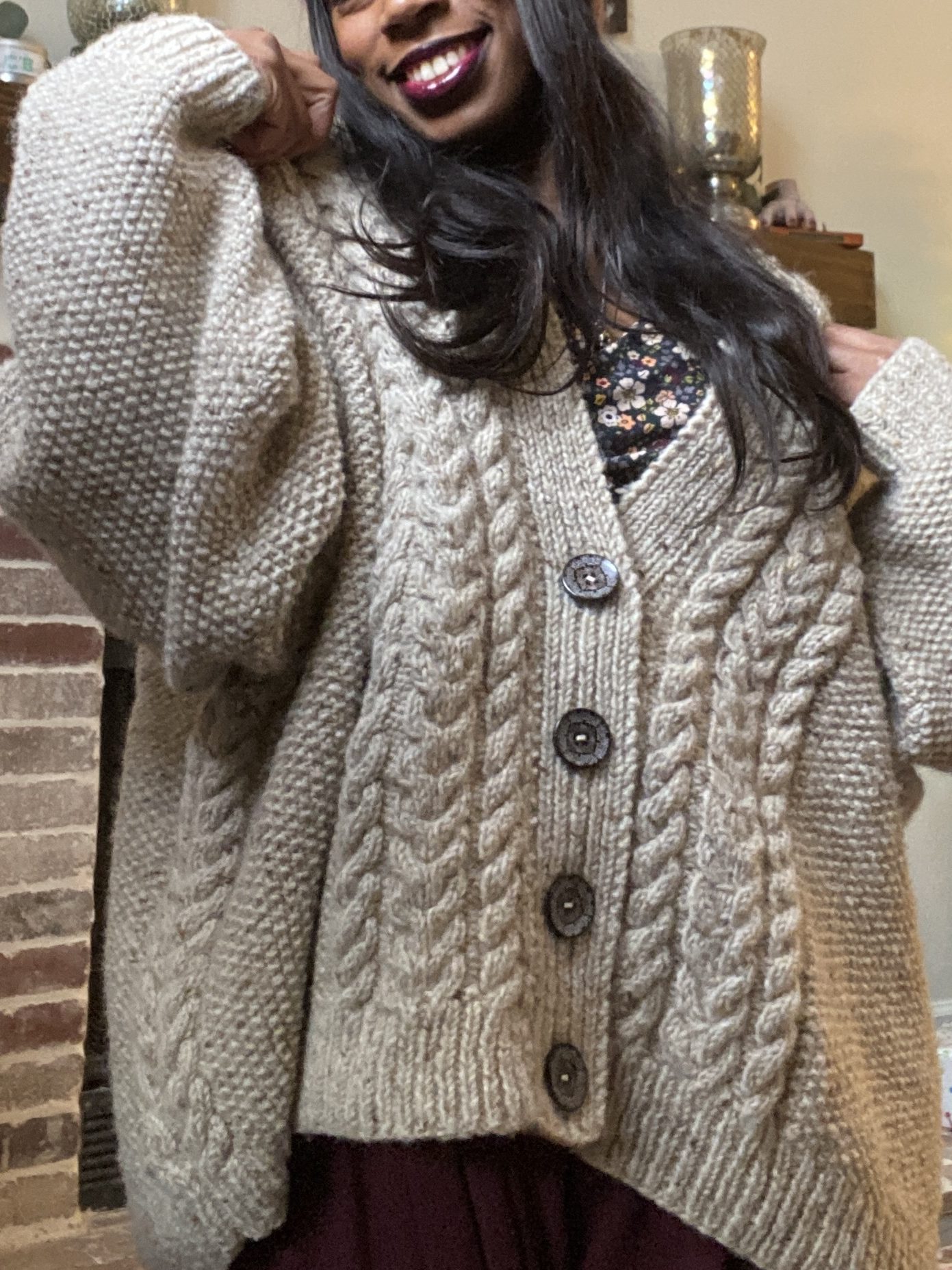
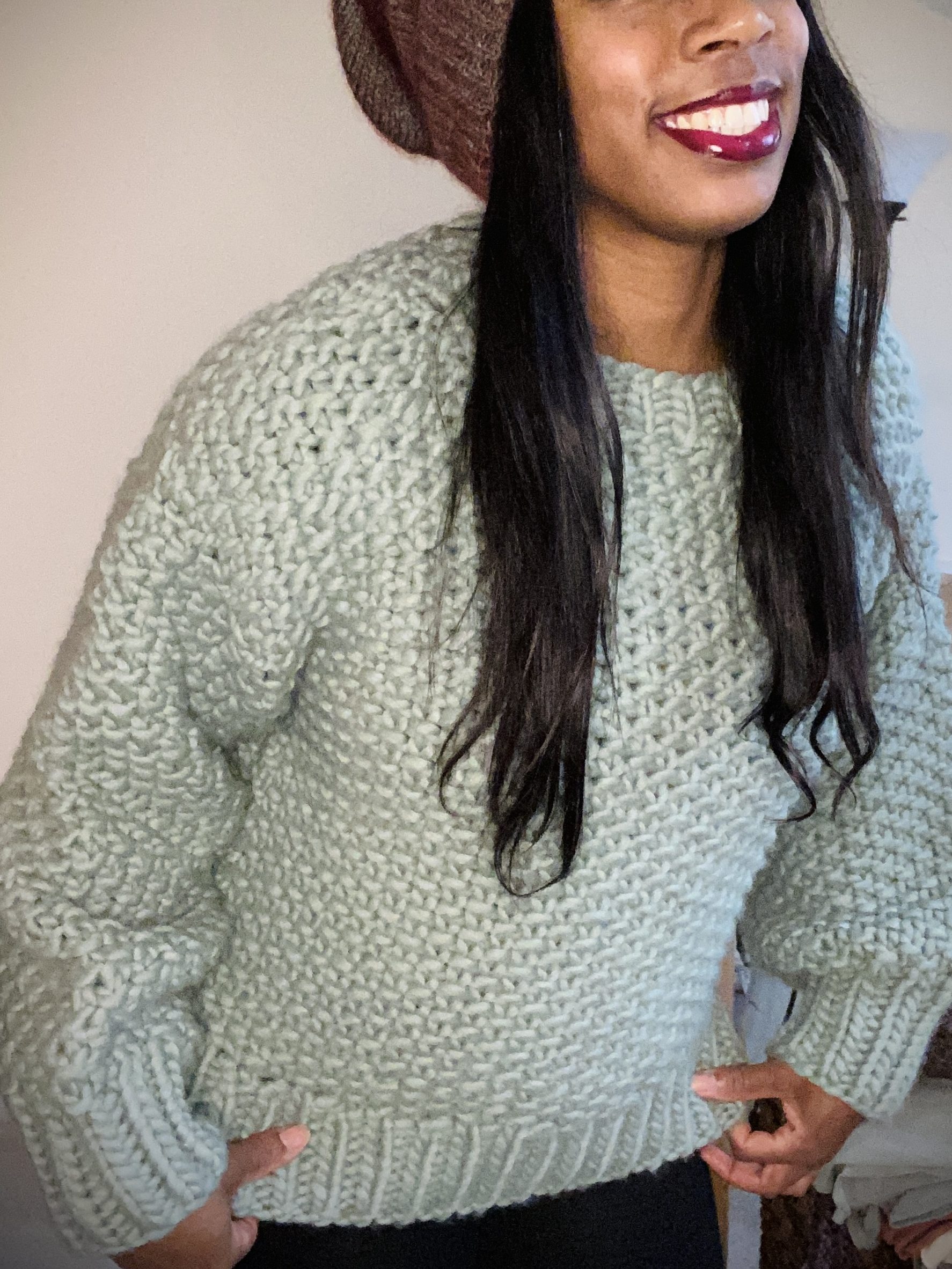
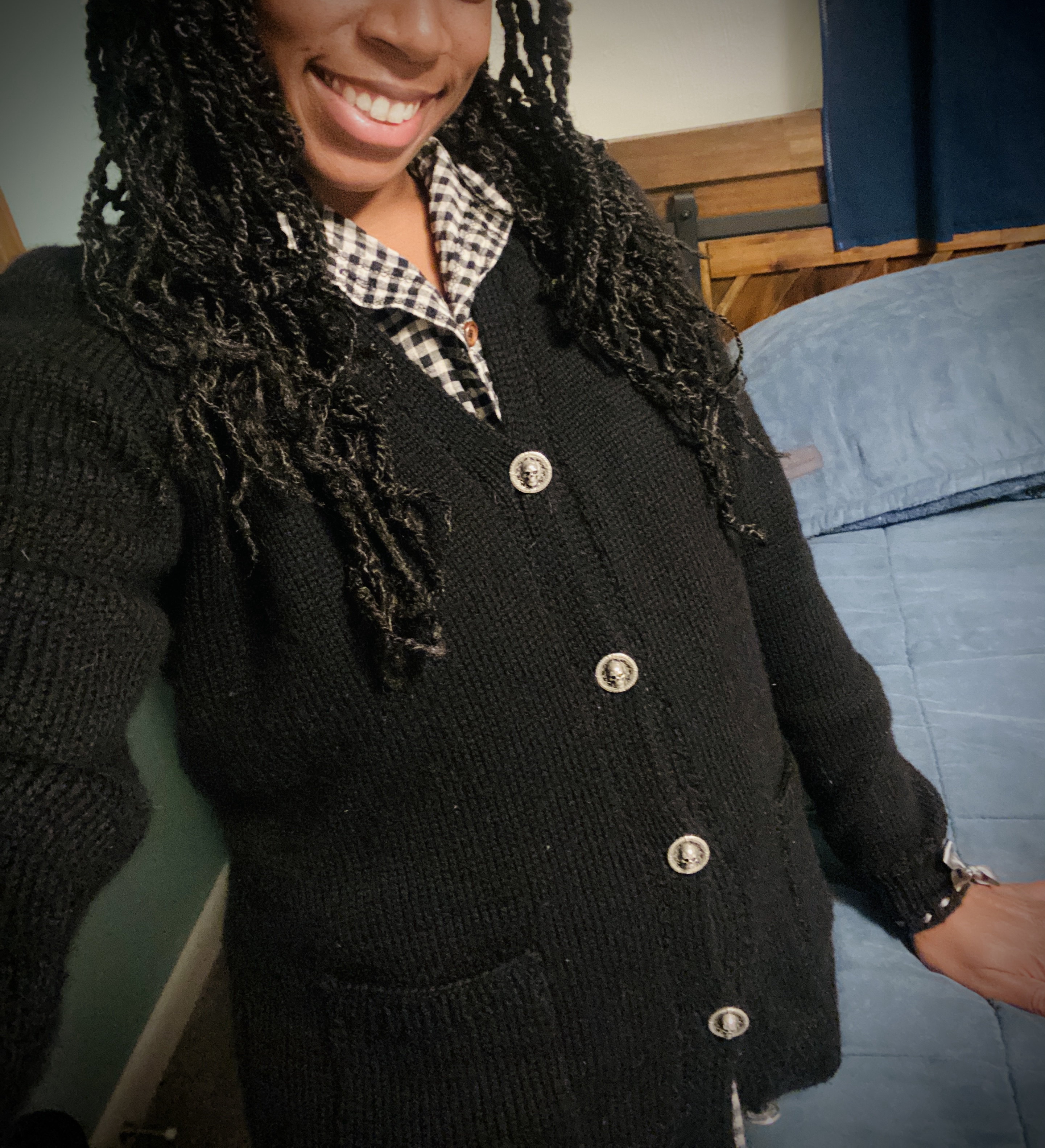
The major difference between my work in the past and my work now is that my present work is far more attractive and durable due to careful planning, my willingness to rip out a good foot of knitted stitches, constant swatching, and admitting when I’m not happy with an outcome. I’m not expecting my work to be perfect, but I am expecting to create the best work I can muster.
Dissatisfaction vs. Perfection
It takes a little more work and time, but I’ve learned to appreciate the planning process, especially since the final outcomes of my projects are better. I wear my newer garments and accessories far more often than my older ones.
To be clear, you don’t have to frog until you’re 100% satisfied with your work (unless you really want to and it doesn’t drive you insane). There’s a fine line between dissatisfaction and seeking perfection.
Make sure you are frogging to fix understandable mistakes, and not spiraling into a cycle of perfection seeking. Oftentimes, our “good enough” work in the grand scheme of things is actually a work of art.


 Folkcrafts, Art, and Thoughts
Leave a comment