“A person who finds a herb has found a cure.” ― Annonymous
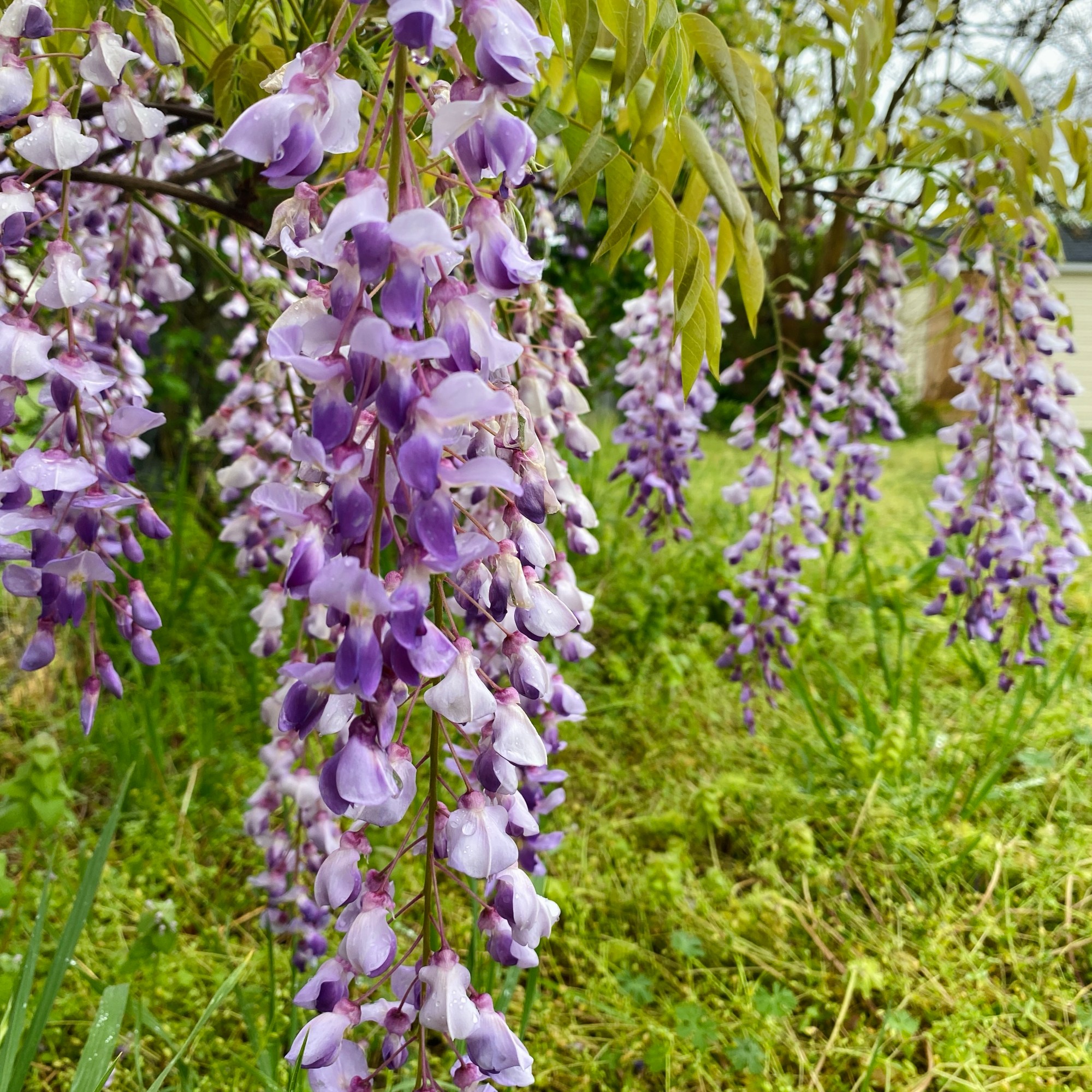
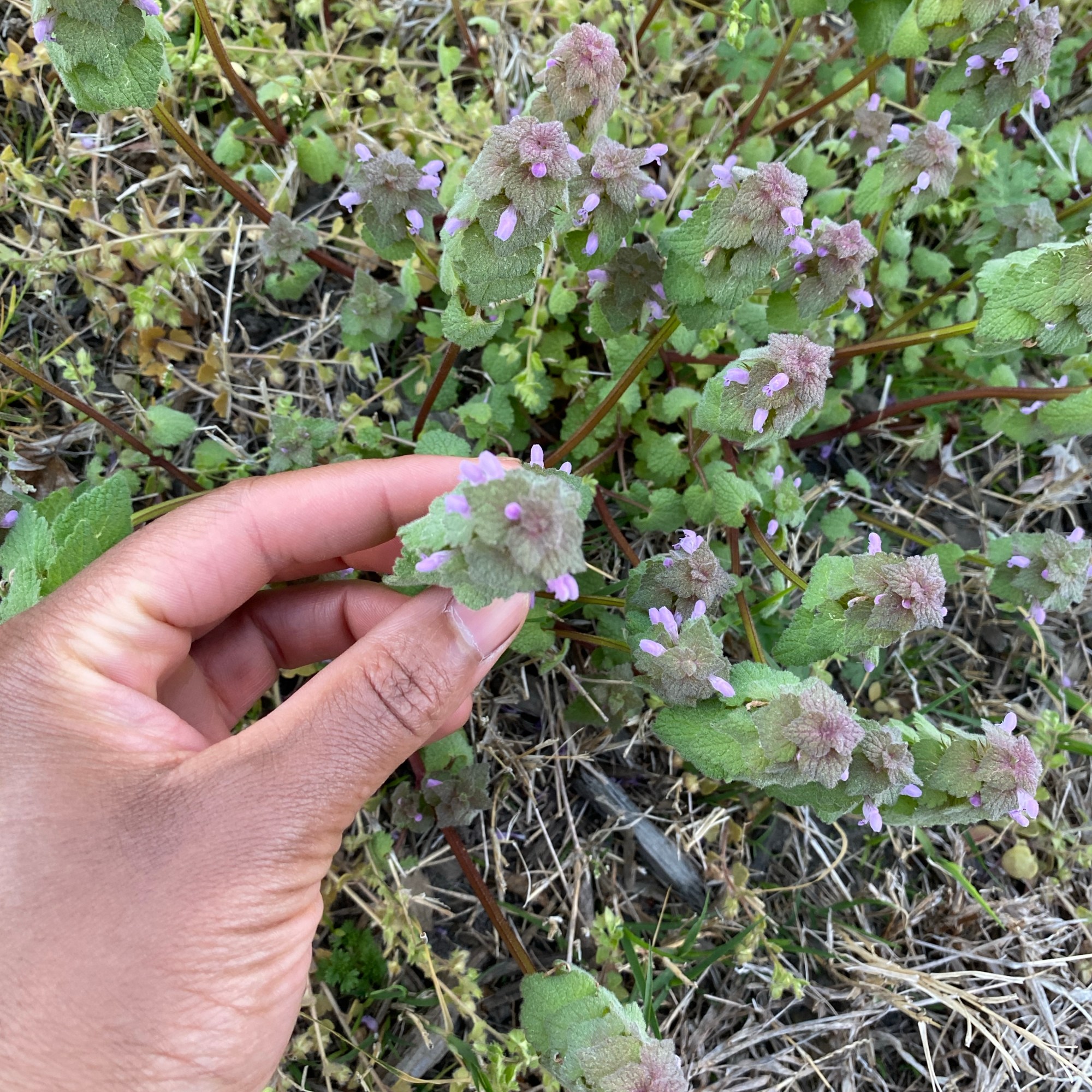
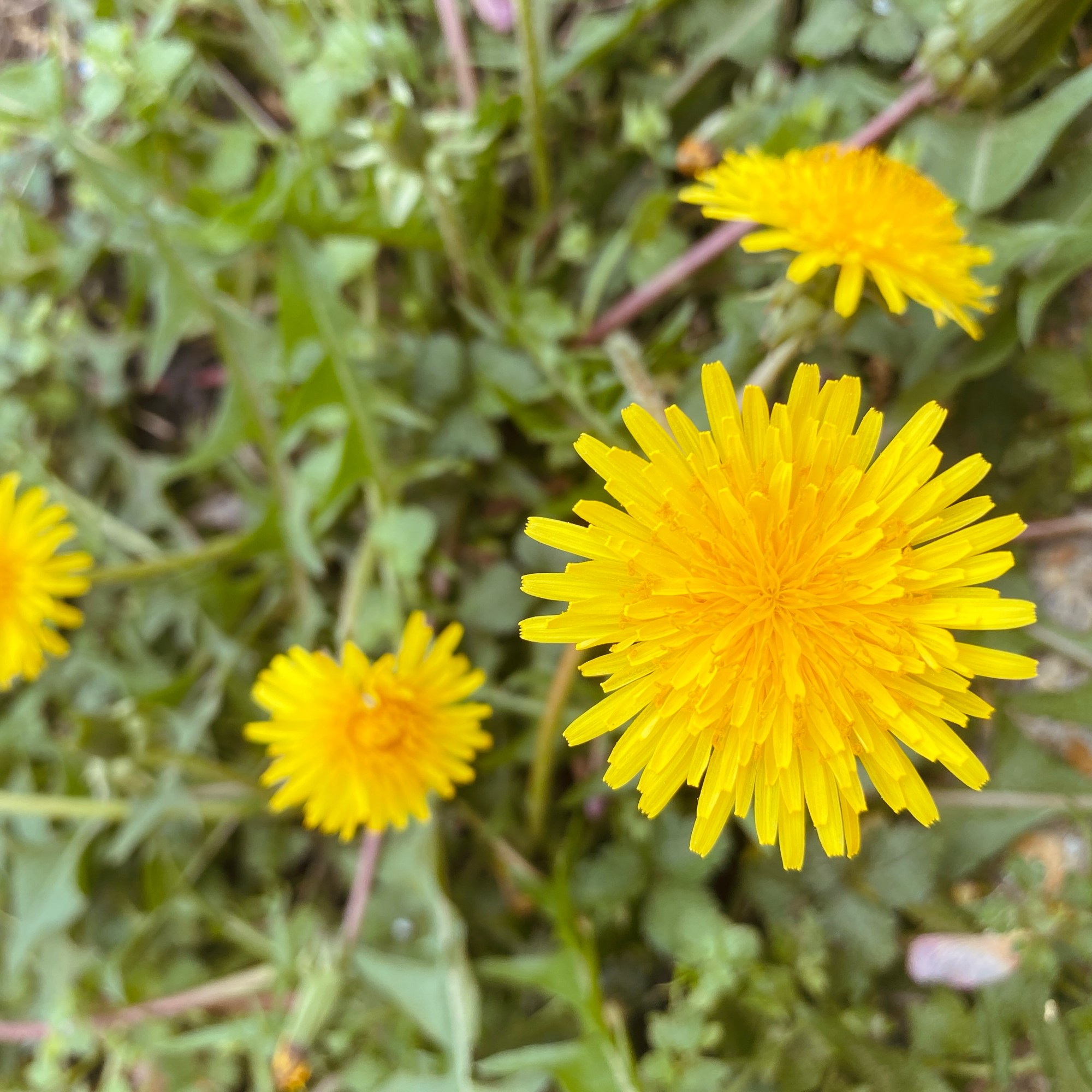
My kitty and I have been starved for sunlight during this cruel, dark winter. So, we spent quite a few hours in the garden to catch up on lost sun. Originally, I was planning on digging up loads of “weeds” to clean things up and prepare the soil for new annuals. But then, I thought it would be a better idea to see if the “weeds” could be foraged instead. Who would have thought that there was a pharmacy spanning the length of my yard!
Like a field of lilac and green lace, my grass was laden with purple deadnettle―a common plant native to Europe and Western Asia, but introduced to North America during the colonial period. I have foraged for purple deadnettle in the past to use as a fun and nutritious addition to my diet. However, with American healthcare’s notorious financial costs, I would be lying if I said I wasn’t looking for home remedies for some inflictions… purple deadnettle being a prime ingredient for them.
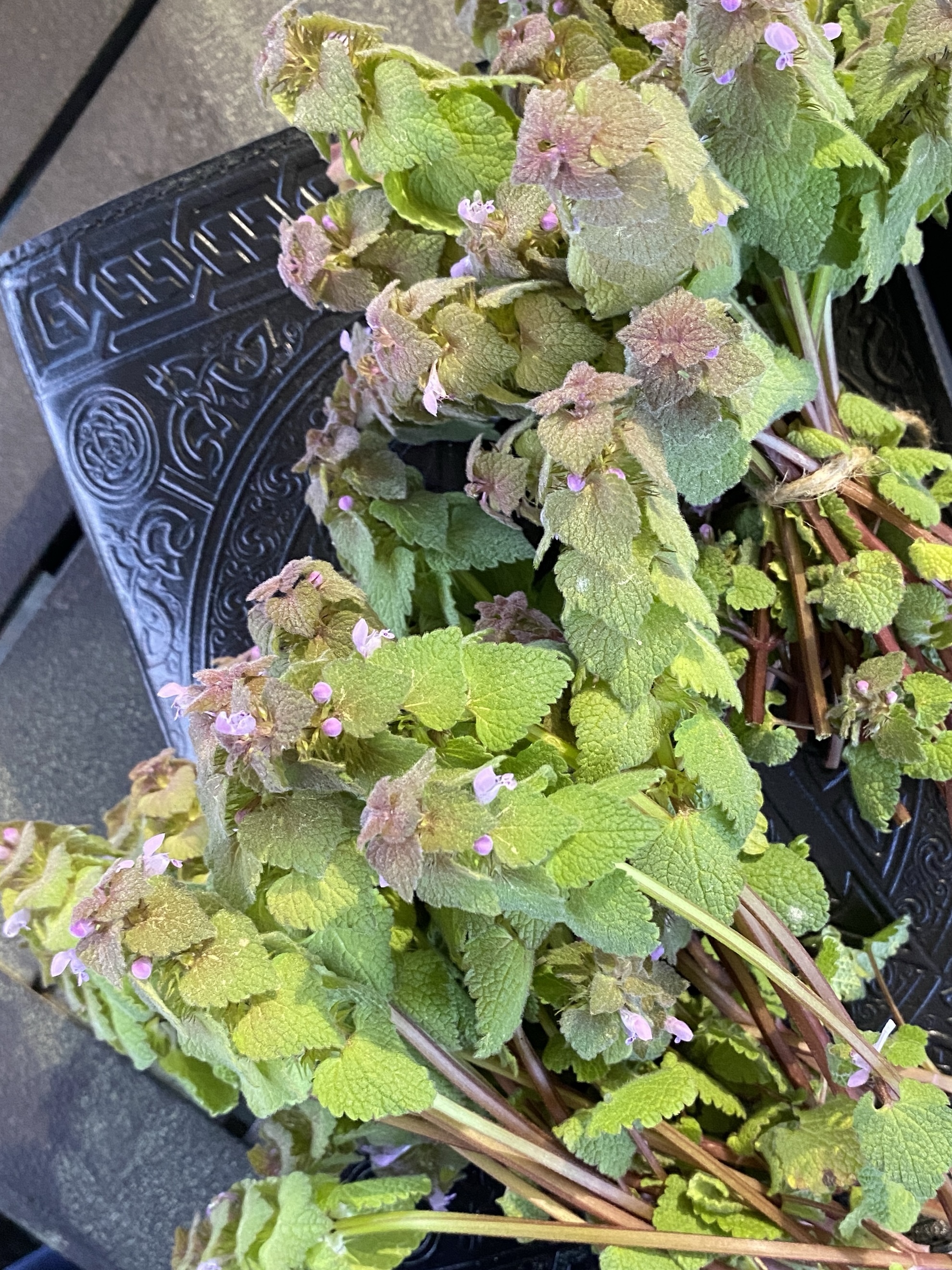
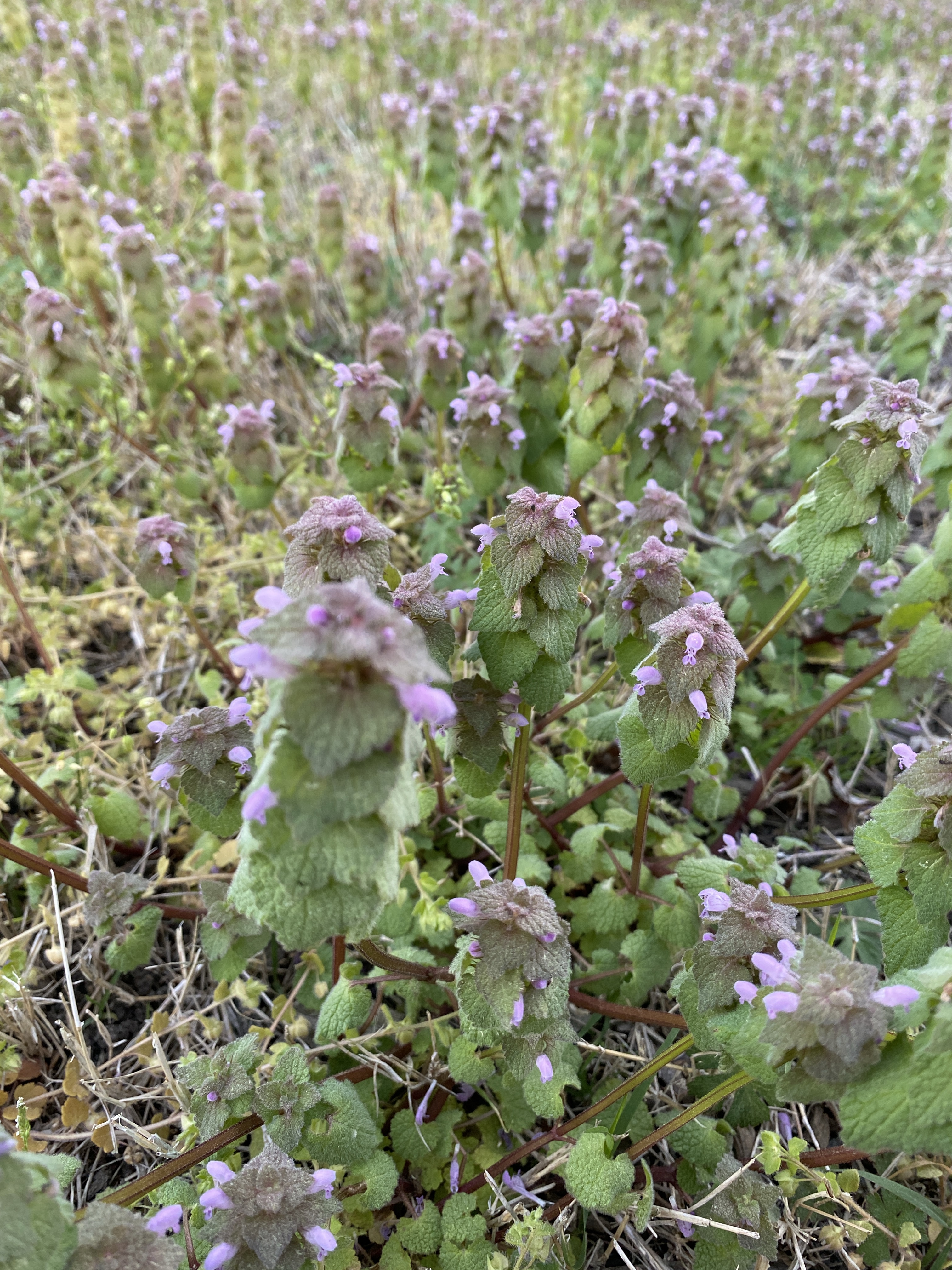
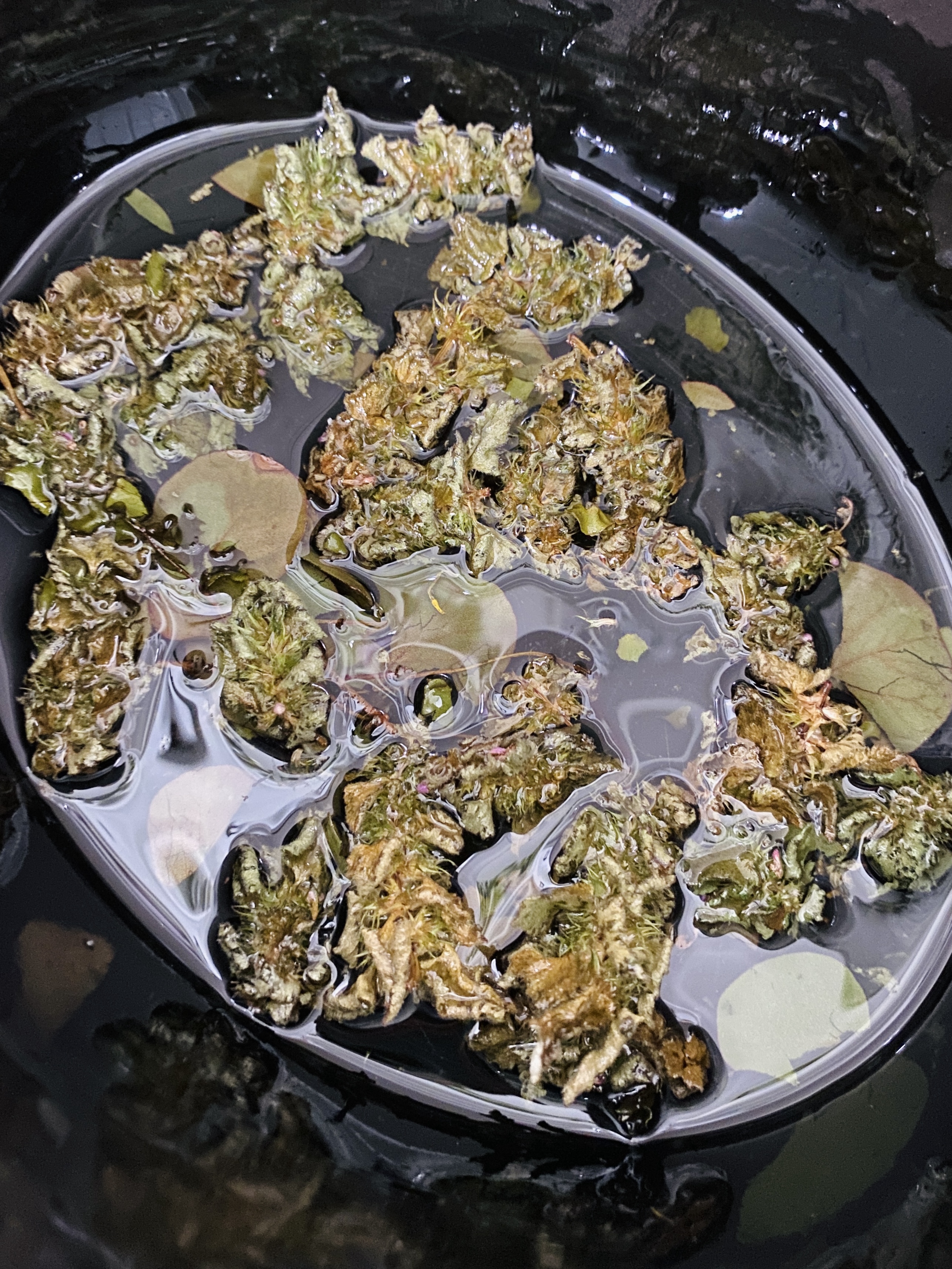
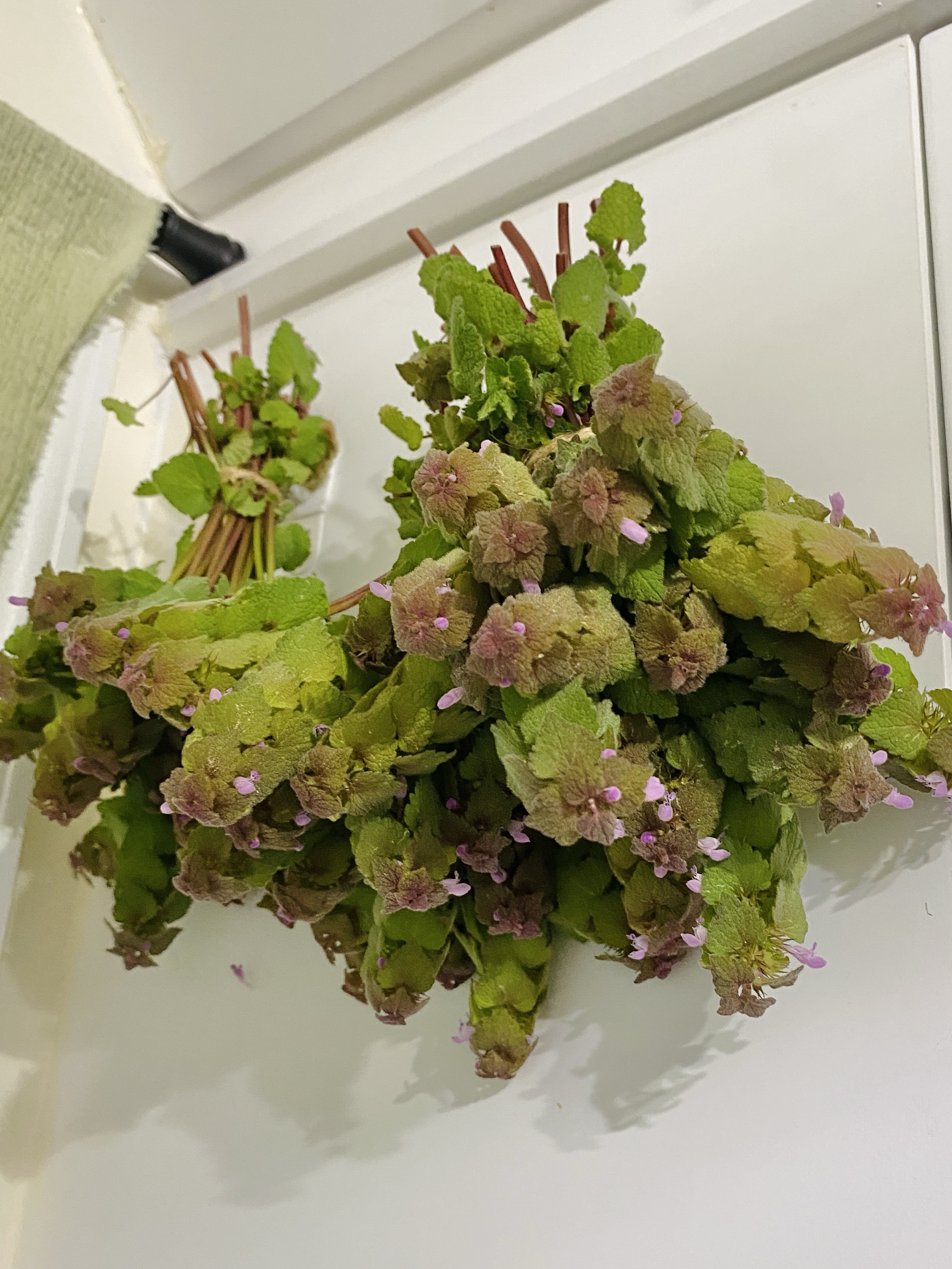
Purple deadnettle (Lamium purpureum), also known as Red Deadnettle, Purple Archangel, and Velikdenche, is a flowering plant in the mint family. It has heart shaped leaves that gradually turn from green to purple toward the top of the plant, and reddish-purple flowers sprout at the crown. It is not a true nettle; despite its deadly-sounding name, it is named “deadnettle” because it cannot sting as true nettles do.
Purple deadnettle is so common that it has become an invasive species in North America, so there is currently little harm in picking as much as you would like. That said, save some for the bees. It is an excellent plant for early pollination. If you decide to forage it, seek it in places where you are sure there isn’t any heavy pesticide usage or heavy metal contamination.
Because purple deadnettle is so abundant and has very few poisonous look-alikes, it is typically touted as an excellent choice for beginning foragers. It is a good idea to harvest them while they are in bloom so that they are easier to spot and cannot be mistaken for foxglove… However, if I am honest, the two plants look nothing alike.
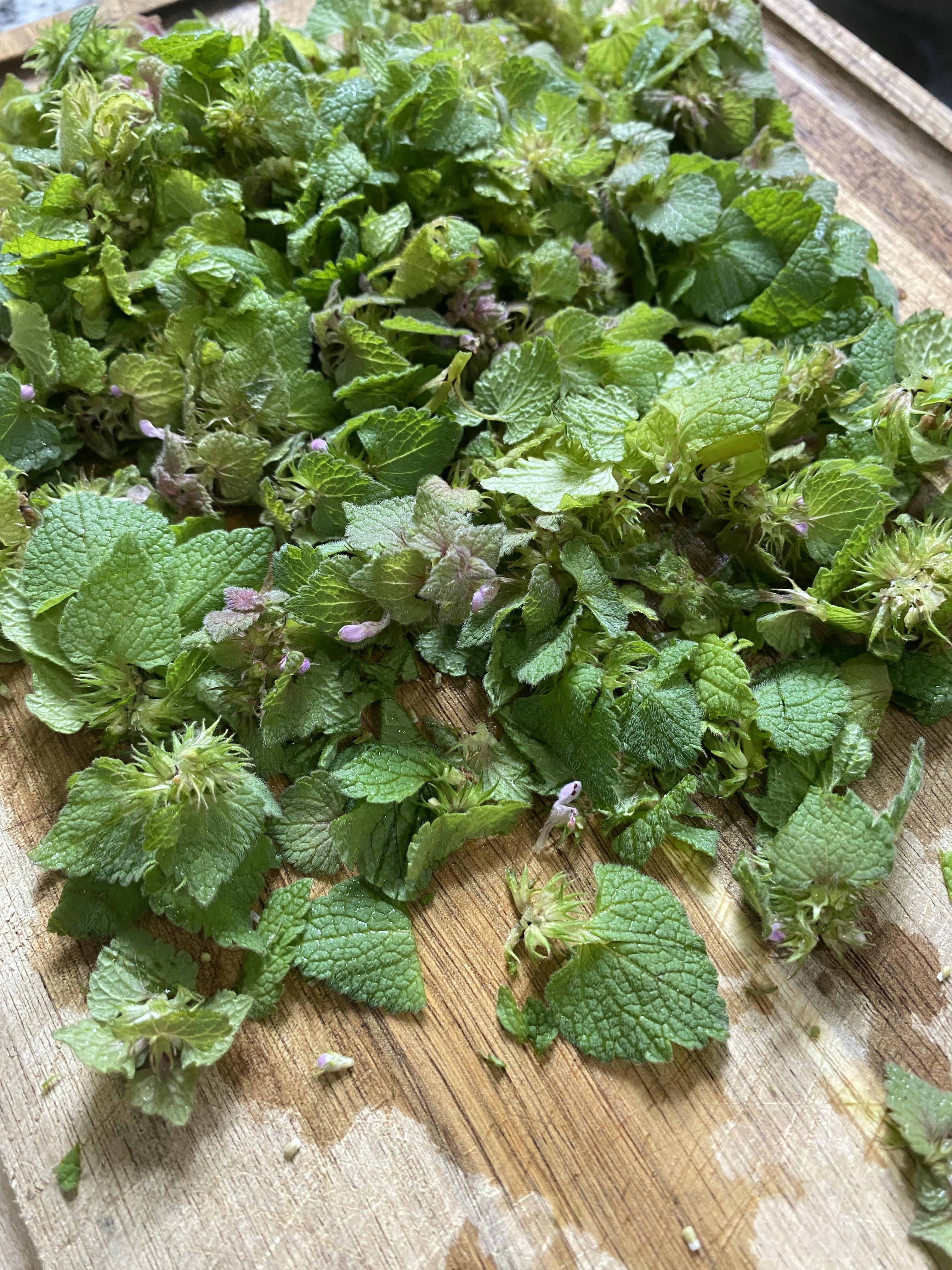
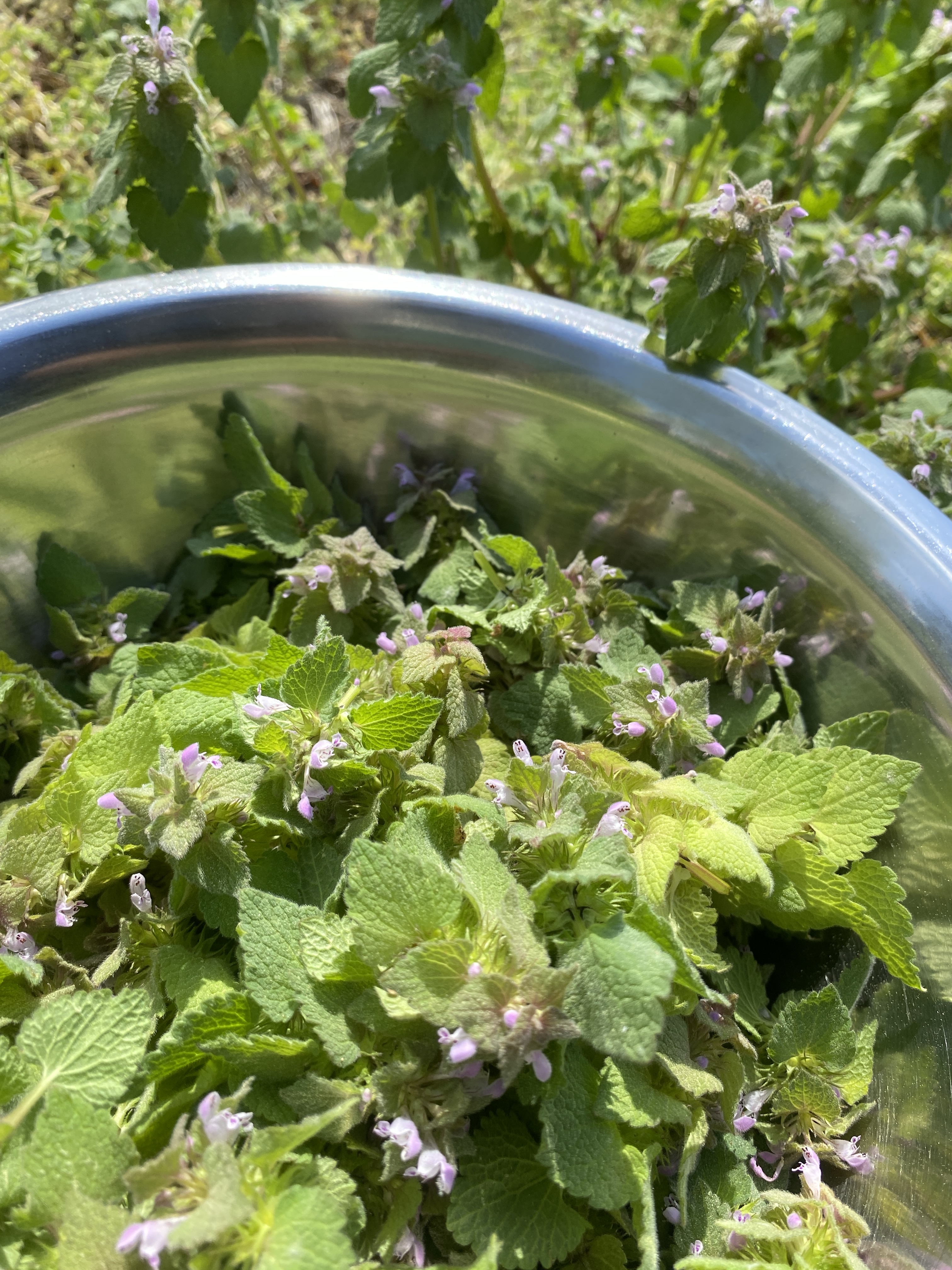
We are more likely to mistake it for a different plant known as Henbit Deadnettle, which does not have leaf stalks or heart-shaped leaves. Fortunately, it is also a safe and edible plant that is highly nutritious with a peppery, herbaceous flavor.
Purple deadnettle and other plants of the Lamium genus have been used in folk medicine for centuries throughout Europe, North Africa, and Western Asia. In several studies, they have shown the plants to have antioxidant, anti-inflammatory, and antimicrobial properties. Additionally, the presence of quercetin make it a mild antihistamine. Personally, this was an excellent find for me, since I suffer from year-round environmental allergies.
What can we turn this little precious into?
- Teas and Infusions
The dried leaves of the plant can be used to make teas and infusions that act as a natural diuretic and laxative.
- Poultices
You can turn the leaves into a “spit poultice,” which means chewing a few leaves and applying it directly onto a minor wound, skin irritation, or insect bite.
- Tinctures
When chopped, mixed with vodka or apple cider vinegar, and infused for a minimum of four weeks, a tincture is created that can help relieve seasonal allergies.
- Salves and Infused Oils
Salves and oils infused with the dry leaves can be used to make topical ointments to rub over minor wounds and skin irritations. Even though I have been working on my plant identifications and uses for several years now, I still consider myself a novice forager and herbalist, so I will be experimenting with easier concoctions. Herbalism can be a hit or miss due to endless variables (patient’s weight, gender, genetic makeup, diet, environment, etcetera), however, I am more than tempted to turn a common weed into a helpful remedy.
***IMPORTANT DISCLAIMER***
The information shared on this blog — including content about medicinal herbs, plant identification, and foraging — is provided for educational and informational purposes only. It is not intended to serve as medical advice, diagnosis, or treatment, and should not be used as a substitute for professional medical care.
Always consult a qualified healthcare provider before using any herb or plant medicinally, especially if you are pregnant, nursing, taking medications, or managing a health condition. Herbal remedies can interact with medications and may not be appropriate for everyone.
Foraging carries inherent risks. Many edible or medicinal plants closely resemble toxic species, and misidentification can cause serious harm or death. Never consume or use any plant you cannot positively identify with absolute certainty. When in doubt, leave it out.


 Folkcrafts, Art, and Thoughts
Leave a comment